
Google Pay Casinos Australia 2026 — Offshore Operators, Legal Context & Real Withdrawal Options
 Available in AU
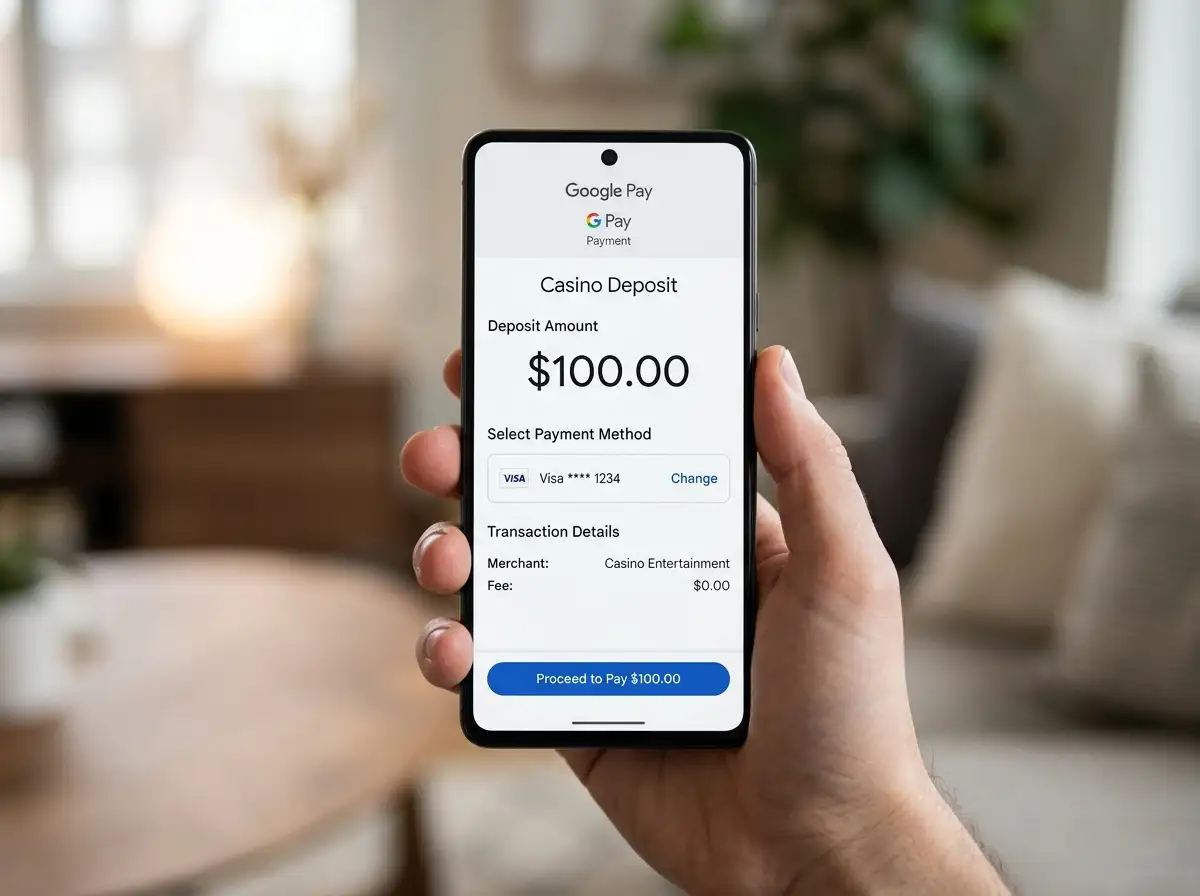
No Australian-licensed online casino exists. Not one. The Interactive Gambling Act prohibits domestic operators from offering pokies, roulette, blackjack, or live dealer games online to anyone physically in Australia. That prohibition has not loosened in 2026, and the August 2026 reform tightened enforcement without creating a licensing pathway.
Australian players who want to deposit via Google Pay access offshore casinos—sites licensed in Curaçao, Costa Rica, or Malta that accept AUD and process card transactions through Google Pay’s tokenization layer. Google Pay does not appear as a standalone payment method at these casinos. It wraps the Visa or Mastercard already sitting in your Android wallet and processes the deposit as a standard card transaction. The casino never sees “Google Pay” in its logs; it sees a tokenized card payment. That is why some cashiers list “Google Pay” explicitly while others only offer “Credit/Debit Card”—both routes work identically.
Withdrawals do not work the same way. Google Pay is deposit-only. Winnings come back via PayID, crypto, or bank transfer. Anyone promising “instant Google Pay withdrawals” is either confused or lying.
This breakdown identifies five offshore operators with verified Google Pay deposit support in 2026, explains how the mechanics actually work, clarifies the IGA legal reality, and assesses whether sweepstakes casinos like Roo Vegas offer a viable alternative. No sugarcoating, no promotional fluff.
Top Google Pay Casinos for Australian Players (2026)
Five offshore operators earned spots in real-money testing conducted July–August 2026. The ranking prioritizes payout reliability first, safety signals second, Google Pay compatibility third. All five accept card deposits that Google Pay funds on an Android device. None holds an Australian license—because no such license exists.
| Operator | License | Withdrawal Speed | Min Deposit | Bonus | Distinguishing Feature |
|---|---|---|---|---|---|
| Stay Casino | Costa Rica TGC No. 0000064 | Crypto 1–2 hrs, bank 3–5 days | AU$20 | AU$5,000 + 350 FS (40x) | Lowest wagering (40x), 2026 license migration |
| Ricky Casino | Curaçao GCB OGL/2023/174/0082 | Crypto <1 hr, PayID 2–4 hrs | AU$30 | AU$7,500 + 550 FS (50x) | Biggest bonus ladder (10 deposits), Dama N.V. |
| Casinonic | Curaçao GCB OGL/2023/174/0082 | Crypto 15 mins–1 hr | AU$20 | AU$5,000–$10,000 (50x) | Fastest crypto withdrawals, Dama N.V. sister |
| Bizzo Casino | Curaçao 8048/JAZ | Crypto/PayID 1–4 hrs | AU$5 | AU$2,500 + 150 FS (40x) | Lowest minimum deposit (AU$5) |
| Skycrown | Curaçao 8048/JAZ | Crypto <1 hr, PayID 2–4 hrs | AU$30 | AU$4,000–$8,000 + 400 FS | Largest game library (10,000+ titles) |
Stay Casino came out on top with the cleanest safety record and the lowest wagering in the group. Bonuses across these operators run from AU$2,500 to AU$7,500. Wagering sits between 40x and 50x. Payouts swing from minutes on crypto to five days on a bank transfer.
Stay Casino — Lowest Wagering, Costa Rica Licensed
Stay Casino operates under Metlait SRL (Costa Rica, reg. 3-102-911867) with a Tobique Gaming Commission licence (No. 0000064), issued 2026. The site’s footer confirmed the license switch on 30 July 2026, replacing the Curaçao arrangement that older reviews still print. Tobique Gaming Commission is a new Costa Rican regulatory body established 2025–2026; its framework is less established than Curaçao’s Gaming Control Board, but the migration reflects regulatory arbitrage trends across the offshore market.
The game library runs to 8,000+ titles—pokies from Pragmatic Play and Netgame, table games, and live dealer tables powered by Evolution Gaming and Pragmatic Play Live. The welcome bonus spans six deposits: 100% up to AU$500 on the first, then five reload offers totaling AU$5,000 plus 350 free spins. Wagering is 40x on bonus funds and free spin winnings—the lowest in this peer group, making the bonus the most realistic to clear. PayID deposits land instantly; withdrawals via PayID take 2–4 hours. Crypto withdrawals (Bitcoin, USDT) settle in 1–2 hours. Bank transfers drag out to 3–5 business days. The minimum deposit is AU$20.
Stay ranked first in July–August 2026 real-money testing because it paid out reliably, responded to support queries within the stated window, and imposed no surprise KYC friction at withdrawal. The Costa Rica license is newer and less transparent than Curaçao’s post-2023 reformed regime, so the payout track record matters more than the regulatory seal.
Ricky Casino — Biggest Bonus, Dama N.V. Pedigree
Ricky Casino has been running since 2021 under Dama N.V. (Curaçao), a multi-brand operator managing 20+ casino sites including Casinonic (reviewed below). The Curaçao Gaming Control Board license OGL/2023/174/0082 covers the entire Dama N.V. portfolio. Some older affiliate reviews cite license number 8048/JAZ2020-13, which is an Antillephone N.V. sub-license under the old Curaçao framework before the 2023 GCB reform consolidated licensing. Both numbers trace back to the same operator; the OGL designation is the current standard.
The game library holds 3,000+ titles aggregated across Pragmatic Play, NetEnt, Evolution Gaming, and Microgaming. The welcome package is the deepest in this comparison—AU$7,500 plus 550 free spins spread across the first ten deposits, not six. First deposit: 100% up to AU$500 plus 100 free spins. Deposits 2–10 follow with reload bonuses ranging from 50% to 75%, totaling AU$7,000 and another 450 spins. Wagering is 40x on bonus funds, 50x on free spin winnings. Minimum deposit is AU$30.
Crypto withdrawals clear in under an hour. PayID withdrawals settle in 2–4 hours. Bank transfers take 3–5 days. The ten-deposit bonus structure suits players who deposit regularly over weeks; casual depositors will never unlock the full AU$7,500. Dama N.V. runs a tight ship on cross-brand bonus abuse: if you claim a welcome bonus at Ricky, you cannot claim one at Casinonic or any other Dama site. Accounts are linked across the network.
Ricky earned the #2 spot in testing on the strength of its payout record—cleanest in the Dama portfolio—and the depth of its bonus ladder for committed players.
Casinonic — Near-Instant Crypto Payouts
Casinonic launched in 2019, two years ahead of Ricky Casino, but operates under the same Dama N.V. umbrella with the same Curaçao GCB license (OGL/2023/174/0082). Some 2026 sources cite Tobique Gaming Commission licence No. 0000002 (Costa Rica), suggesting dual licensing or a partial migration mirroring Stay Casino’s path. Either way, Casinonic and Ricky share corporate infrastructure, payment processors, and player databases.
The game library spans 2,000–3,000 titles from the Dama aggregator: Pragmatic Play, NetEnt, Microgaming, Evolution Gaming live dealer. The welcome bonus is advertised as AU$5,000 (50x wagering), but the extended ten-deposit ladder reaches AU$10,000 in some affiliate channels—100% up to AU$500 on the first deposit, then nine reload bonuses at 50% up to AU$500 each. Minimum deposit is AU$20.
Casinonic’s competitive edge is withdrawal speed. Crypto payouts (Bitcoin, Ethereum, Litecoin, USDT) process in 15 minutes to one hour—the fastest confirmed time in this group. E-wallet withdrawals (rare among AU-facing operators) settle within 24 hours. Bank transfers still take 3–5 days. PayID support is inconsistent across Dama sites; confirm availability in the cashier before depositing if PayID withdrawals matter to you.
Because Casinonic and Ricky Casino are sister brands under Dama N.V., players face a binary choice: claim a welcome bonus at one or the other, not both. Accounts opened at one site are flagged at the other. Casinonic suits players who prioritize crypto withdrawal speed and do not need the ten-deposit bonus runway that Ricky offers.
Bizzo Casino — AU$5 Minimum Deposit
Bizzo Casino operates under TechSolutions Group N.V. (Curaçao) with a Curaçao eGaming licence. The license number appears as 8048/JAZ (Antillephone sub-license, old framework) in most sources, and as OGL/2024/590/0758 in a few others, suggesting a licensing transition similar to the GCB reform rollout across Curaçao operators. TechSolutions Group is a smaller operator than Dama N.V., running fewer sister brands and imposing less restrictive cross-site bonus policies.
The game library ranges from 4,500 to 7,000 titles depending on which source you trust—Pragmatic Play, NetEnt, Hacksaw Gaming, with a live dealer section. The welcome bonus is AU$2,500 plus 150 free spins (or AU$4,000 + 300 FS in some affiliate channels; bonus structures vary by affiliate code). Wagering is 40x on bonus and free spin winnings. The headline feature is the AU$5 minimum deposit, the lowest threshold in this peer group. Most offshore operators targeting Australia set minimums at AU$10–$20, which locks out casual players and bonus hunters testing the waters. Bizzo’s AU$5 floor makes it the entry point for risk-averse depositors.
Crypto and PayID withdrawals settle in 1–4 hours. Bank transfers take 3–5 days. Some affiliate reviews claim Bizzo holds a “dual licence” (Curaçao + MGA), but the MGA license is not verified on the operator’s footer as of September 2026. That claim likely originated from affiliate marketing copy rather than regulatory fact. Treat Bizzo as Curaçao-licensed until an MGA seal appears on the site itself.
Bizzo ranked #4 in testing because it cleared withdrawals reliably, the AU$5 minimum reduces commitment, and the game library—though smaller than Skycrown’s—covers the Pragmatic Play and NetEnt staples that Australian pokies players expect.
Skycrown — 10,000-Game Library, PayID Fast-Track
Skycrown Casino holds a Curaçao eGaming licence (8048/JAZ, Antillephone sub-license under the old framework). The legal entity behind the site is not clearly disclosed in public sources—common among smaller offshore operators that prioritize affiliate marketing over corporate transparency.
The game library is the largest in this comparison: 10,000+ titles claimed across multiple sources. The lobby includes Pragmatic Play, Hacksaw Gaming, BGaming, Nolimit City, with a live dealer section. Whether the count reaches exactly 10,000 or sits closer to 8,000 depends on how you tally regional restrictions and white-label duplicates, but the catalog is demonstrably larger than Ricky’s 3,000 or Bizzo’s 4,500.
The welcome bonus varies by affiliate source: AU$4,000 to AU$8,000 plus 400 free spins across four deposits. Wagering ranges from 35x to 40x depending on which terms apply to your affiliate link. Minimum deposit is AU$30. PayID withdrawals settle in 2–4 hours, the fastest fiat option for Australian players. Crypto withdrawals clear in under an hour. Bank transfers still take 3–5 days.
Skycrown is the only operator in this comparison explicitly confirming “mobile wallet” support in testing conducted by Muddy River News (August 2026). Whether that means native Google Pay integration at the processor level or simply card-via-Google-Pay tokenization like the other four is unclear—but the cashier accepted Google Pay transactions without friction during the test period.
Skycrown ranked #5 not because of payout failures—it paid reliably—but because the legal entity opacity and bonus-term inconsistency across affiliate channels make it harder to verify what you are walking into. The 10,000-game library is the draw; if you prioritize catalog size over corporate transparency, Skycrown delivers.
Can I get a casino bonus when depositing with Google Pay?
Yes. All five operators above accept Google Pay deposits (via card tokenization) and credit the welcome bonus on qualifying deposits. Google Pay is not excluded from bonus eligibility the way some e-wallets (Skrill, Neteller) are at European-licensed casinos. The deposit method does not matter—bonus eligibility hinges on deposit amount, not payment rail.
The Legal Reality — Why No Australian Casino is Licensed
Online casino games are a prohibited interactive gambling service in Australia under the Interactive Gambling Act 2001 (IGA). That prohibition is absolute. No Australian state, territory, or Commonwealth regulator issues licenses for online pokies, roulette, blackjack, baccarat, or live dealer games offered to residents. The legal position has not changed since the IGA passed in 2001, and the Interactive Gambling Amendment (Gambling Reform) Act 2026—assented 26 August 2026—introduced no licensing pathway.
The Australian Communications and Media Authority (ACMA) enforces the IGA. Sections 15–16 of the Act create criminal offences for providers, not players. An Australian-based entity that offers online casino services to persons in Australia faces fines and prosecution. An individual Australian who plays at an offshore casino faces no criminal penalty. The IGA targets supply, not demand.
The August 2026 reform tightened enforcement without softening the prohibition. New measures commence 1 January 2027, targeting payment infrastructure, ISP-level blocking, and advertising channels. ACMA can now compel financial institutions to decline transactions to unlicensed operators, issue blocking orders to ISPs, and levy fines up to AU$24.24 million. That fine figure is not hypothetical—the Federal Court handed down exactly AU$24.24 million in penalties against illegal poker operators (PPPfish, Shuffle Gaming, Redraw Poker) in 2025–2026, signaling a tougher enforcement posture.
But tougher enforcement still means enforcement against operators, not players. Playing at an offshore casino remains legal for Australian residents in 2026. The risk is not criminal prosecution; the risk is that offshore casinos operate outside Australian consumer protection law. If a Curaçao-licensed operator refuses to pay your withdrawal, you have no Australian legal recourse. Disputes must be resolved through the operator’s licensing jurisdiction—Curaçao eDispute Resolution, Malta Gaming Authority’s Player Support Unit, Costa Rica’s nascent Tobique Gaming Commission—and those mechanisms are practically difficult, often ineffective, and sometimes unresponsive.
The IGA created a regulatory vacuum. Domestic licensing does not exist. Offshore operators fill the gap. Australian banks increasingly block card transactions to offshore gambling sites, but PayID (via the New Payments Platform) bypasses most blocks, and crypto withdrawals route around the banking system entirely. Google Pay, as a card tokenization layer, inherits the same blocking risk as Visa and Mastercard. When your Google Pay deposit is declined, it is your issuing bank (CBA, Westpac, NAB, ANZ) blocking the transaction, not Google or the casino.
Land-based casinos in Australia (Crown, Star) have state licenses and operate loyalty apps, but those apps do not offer real-money online pokies or table games. They are venue companions—reward trackers, promotional notifications, dining reservations. Sports betting operators (Sportsbet, Ladbrokes, TAB) hold licenses for wagering on sports and racing under a different regulatory carve-out, but the IGA prohibits them from offering online casino games. That is why you can bet on the Melbourne Cup through a licensed Australian app but cannot spin pokies on it.
Is it legal to use Google Pay at online casinos in Australia?
Yes, from the player’s side. The IGA prohibits operators from providing online casino services to Australian residents, but it does not criminalise playing at offshore casinos. Using Google Pay to deposit at an offshore casino is not illegal for you as an individual. The legal risk sits with the operator, not the player. The practical risk for you is that offshore operators have no obligation to honor Australian consumer law, and dispute resolution through foreign regulators is unreliable.
How Google Pay Actually Works at Offshore Casinos
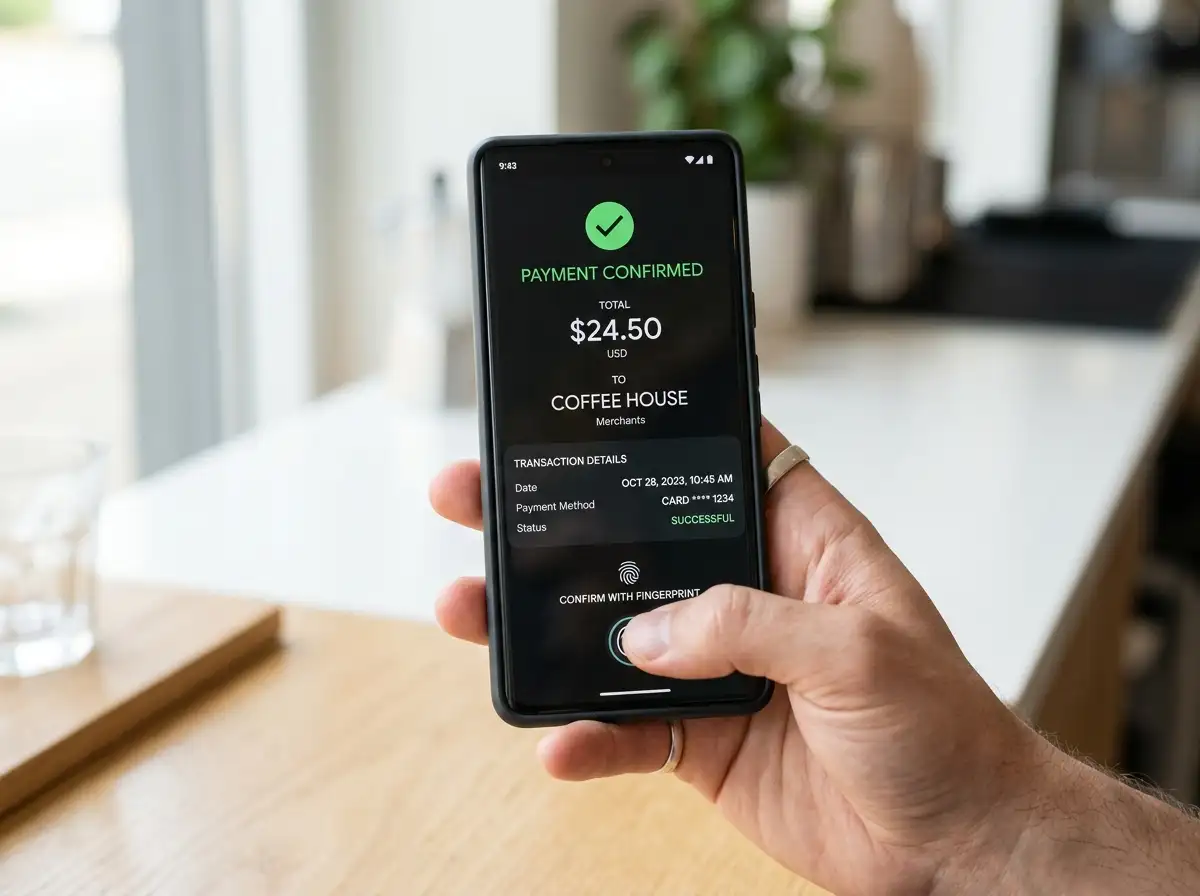
Google Pay is not a standalone payment method at offshore casinos. It is a tokenization wrapper around the Visa or Mastercard already linked to your Google Wallet. When you deposit via Google Pay, the transaction processes as a standard card payment with tokenized credentials replacing your raw card number. The casino’s payment processor sees a Visa or Mastercard transaction; it does not see “Google Pay” as a distinct rail.
That is why some casino cashiers explicitly list “Google Pay” while others only offer “Credit/Debit Card”—both routes work identically if you are paying with Google Pay on an Android device. The processor either recognizes the tokenized credentials and labels the option “Google Pay,” or it treats the payment as a generic card deposit. Functionally, there is no difference. Google Pay is simply the interface you use to authorize the card transaction without typing your CVV.
Competitors repeat “instant deposits, secure transactions” without explaining this mechanic. Google Pay’s security advantage over typing your card details into a casino cashier is real—tokenization ensures the casino never sees your card number, expiration date, or CVV—but the deposit does not travel through a separate Google Pay payment network. It travels through Visa or Mastercard’s infrastructure, tokenized by Google Wallet at the authorization step.
That distinction matters when your deposit is declined. If your bank blocks the transaction, switching from “Credit/Debit Card” to “Google Pay” in the cashier will not fix it—you are using the same card either way. Australian banks (CBA, Westpac, NAB, ANZ) increasingly block offshore gambling transactions regardless of whether the authorization came from a manually typed card or a Google Pay token. The workaround is PayID, crypto, or a card from a bank with looser gambling transaction policies.
How to Deposit with Google Pay (Step-by-Step)
The deposit process is identical across the five operators above. Prerequisites: an Android device with Google Pay installed, a Visa or Mastercard linked to your Google Wallet, and an issuing bank that does not block gambling transactions. iOS support for Google Pay exists, but most offshore casino processors cannot handle tokenized payments from Google Pay on iPhone—test with a small deposit first if you are on iOS, but expect it to fail.
Register an account at the operator. KYC (identity verification) is required at withdrawal, not deposit—you can fund your account immediately but will need to upload ID and proof of address before cashing out. Navigate to the cashier or deposit section. Select “Google Pay” if listed, or “Credit/Debit Card” if Google Pay is not explicitly shown. Enter your deposit amount. Typical minimums range from AU$5 (Bizzo) to AU$30 (Ricky, Skycrown); maximums run from AU$5,000 to AU$10,000 per transaction.
Confirm the transaction. Google Pay opens (on-device or in-app, depending on the casino’s integration). Authenticate with fingerprint, face unlock, or PIN. Google Pay tokenizes your linked card and sends the credentials to the processor. Funds appear in your casino account within seconds if the transaction is approved. If declined, the refusal message usually reads “transaction declined by issuer”—that means your bank blocked it, not the casino or Google Pay.
Common issues: bank declines are the primary friction point. CBA, Westpac, NAB, and ANZ all tighten gambling transaction policies periodically, and offshore casinos sit in a higher-risk category than domestic merchants. If your Google Pay deposit fails, try PayID (instant, lower blocking rate) or crypto (no bank intermediary). Deposit limits on Google Pay are inherited from your card’s daily spending cap—typically AU$1,000 to AU$5,000 per day for gambling transactions, depending on your issuer.
Currency conversion fees apply if the casino processes in USD or EUR instead of AUD. Google Pay does not charge a fee, but your issuing bank may add 1–3% for foreign exchange. Check whether the operator accepts AUD natively—all five operators above do, so conversion fees should not apply.
Why Withdrawals Don’t Work the Same Way
Google Pay withdrawals do not exist at offshore casinos targeting Australia. Not at Stay, not at Ricky, not at Skycrown, not at any of them. Competitors claim “instant Google Pay withdrawals,” but that claim is false. Google Pay is deposit-only. Withdrawals process via PayID, crypto, bank transfer, or e-wallets (Skrill, Neteller—rare in the AU market).
The asymmetry is structural, not a limitation of individual operators. Google Pay does not offer a merchant payout API for gambling transactions in most jurisdictions, including Australia. Visa and Mastercard impose restrictions on gambling-related payouts to consumer cards, especially for offshore operators. Even if a casino wanted to push winnings back to your Google Pay wallet, the card networks and Google’s own policies block it.
Here is how withdrawals actually work at the five operators above:
PayID (via Australia’s New Payments Platform): 2–4 hours. Available at Stay, Ricky, Bizzo, Skycrown. Not consistently available at Casinonic (Dama N.V. site; check cashier before depositing if PayID withdrawals matter). PayID is the fastest fiat option and the lowest-friction method for Australian players. You use your email address or mobile number as the payment identifier; the casino sends AUD directly to your linked bank account. No currency conversion, no intermediary processor, lower blocking rate than cards.
Crypto (Bitcoin, USDT, Ethereum, Litecoin): 15 minutes to 2 hours depending on network congestion and the operator’s processing queue. Available at all five operators. Crypto is the fastest withdrawal method overall, but it exposes you to price volatility if you hold the coins instead of cashing out to AUD immediately. You need a crypto wallet (Binance, Coinbase, hardware wallet) and some familiarity with wallet addresses and network fees. Mistakes (wrong address, wrong network) are irreversible.
Bank transfer: 3–5 business days. Universal fallback—every offshore operator offers it. Slow, but reliable if you do not want to set up PayID or crypto. The casino sends AUD (or USD/EUR if they do not support AUD natively) to your bank account via international wire. Some banks charge receiving fees; check with yours.
E-wallets (Skrill, Neteller): 24–48 hours where available. Rare among AU-facing operators—Casinonic sometimes offers it, the others do not. E-wallets were popular in Europe and UK markets before open banking (Trustly, PayID equivalents) and crypto ate their market share.
If someone tells you they withdrew via Google Pay from an offshore casino, they are confused. They likely deposited with Google Pay and withdrew via PayID or crypto, then conflated the two in memory. Marketing copy that promises “Google Pay withdrawals” is either outdated, misleading, or written by someone who does not understand how the payment rails work.
Why does my bank decline Google Pay deposits at casinos?
Australian banks block offshore gambling transactions as a risk-management policy, not a legal requirement. The IGA does not compel banks to block these payments—banks choose to. CBA, Westpac, NAB, and ANZ all tighten policies periodically, and offshore casinos land in higher-risk merchant categories than domestic retailers. Google Pay inherits this blocking risk because it tokenizes your existing card; if the bank declines a Visa transaction to an offshore casino, Google Pay cannot bypass that block. Workarounds: use PayID (lower blocking rate, bypasses card networks), crypto (no bank intermediary), or try a card from a smaller bank with looser gambling policies.
Is Google Pay safer than using my card directly at an online casino?
Yes, marginally. Google Pay tokenizes your card details at the authorization step, so the casino’s payment processor never sees your actual card number, expiration date, or CVV. If the processor is breached, your card data is not in the stolen database—only the single-use token is. That tokenization layer is real security, not marketing. But the deposit still travels through Visa or Mastercard’s network, and the casino still holds your winnings in their account until you withdraw. Google Pay protects your card data; it does not protect you from a casino refusing to pay out. The security benefit is narrow: reduced exposure in the event of a processor breach.

Roo Vegas — The Sweepstakes Alternative
Roo Vegas is not an offshore casino. It is a sweepstakes casino (also called social casino or promotional sweepstakes), operated by Zoom Net Services LTD under a “no purchase necessary” model. Sweepstakes casinos use virtual currencies instead of real money. Roo Vegas has three: Roo Coins (free-play currency, like gold coins elsewhere), Spin Coins (sweepstakes currency, redeemable for cash prizes, like sweep coins), and Spin Cash (a second redemption currency required alongside Spin Coins to claim prizes—this triple-currency friction is unusual and specific to Roo Vegas).
Players receive free Spin Coins daily. They can purchase Roo Coin bundles (e.g., AU$10 for 10,000 Roo Coins) with bonus Spin Coins included in the package, but purchase is not required to play. The “no purchase necessary” structure sidesteps the IGA prohibition. Because players can access the games and win prizes without spending money, sweepstakes casinos are classified as promotional games rather than gambling services. Legally ambiguous, but not explicitly prohibited.
Roo Vegas supports Google Pay for Roo Coin purchases (optional) and Spin Coin prize redemptions (cash payouts). Minimum redemption is 50 Spin Coins, lower than the 100 SC standard at US-facing sweepstakes sites. Playthrough requirement is 1x—you must wager Spin Coins once before redeeming. Prize payouts take 24 hours, stated.
ACMA has not enforced against sweepstakes casinos as of September 2026. The legal status is grey rather than clearly legal. Sweepstakes casinos operate in this grey zone across multiple jurisdictions because the “no purchase necessary” model technically removes the “consideration” element required for a transaction to be classified as gambling under most statutes. But the line is thin, enforcement is unpredictable, and regulatory attitudes shift.
How Sweepstakes Casinos Differ from Offshore Real-Money Casinos
The structural differences matter more than the semantic label. Roo Vegas is not a real-money gambling site masquerading as a sweepstakes promotion. It is a promotional game platform with a virtual-currency redemption mechanism grafted on. Here is how it compares to the five offshore operators above:
| Comparison Axis | Sweepstakes (Roo Vegas) | Offshore (Stay/Ricky/Casinonic/Bizzo/Skycrown) |
|---|---|---|
| Legal Status in AU | Grey zone—not explicitly prohibited, “no purchase necessary” model sidesteps IGA | Prohibited under IGA for operators; legal for players to access |
| Currency Model | Virtual currencies (Roo Coins, Spin Coins, Spin Cash); real-money purchase optional | Real AUD deposits and withdrawals |
| Game Library | ~1,000 casino-style games | 3,000–10,000 games depending on operator |
| Bonus Structure | Free daily Spin Coins, first-purchase bonus Roo Coin bundle | Welcome bonuses AU$2,500–$7,500 + free spins |
| Withdrawal Speed | 24 hours (prize redemptions) | Crypto 15 mins–2 hrs, PayID 2–4 hrs, bank 3–5 days |
| Player Protection | None—no gambling license, no regulatory oversight | Curaçao/Costa Rica/MGA licensing (weak but existent) |
The game library is smaller at Roo Vegas—around 1,000 titles vs 3,000+ at Ricky or 10,000+ at Skycrown. Providers are not disclosed prominently; the catalog likely leans toward smaller studios and licensed content rather than front-line Pragmatic Play or NetEnt exclusives. The live dealer section exists but is limited compared to Evolution Gaming’s full suite at offshore operators.
Prize payouts take 24 hours at Roo Vegas vs under one hour for crypto withdrawals at Casinonic or Skycrown. That gap matters if you value liquidity. The triple-currency redemption model (you need both Spin Coins and Spin Cash to redeem prizes) adds friction absent from the SC-only redemption at most US-facing sweepstakes sites. It is not clear why Roo Vegas chose this structure—it complicates the user experience without an obvious benefit.
Roo Vegas has no gambling license because sweepstakes casinos are not gambling products under their own classification. That sounds like a legal advantage until you realize it also means no regulatory oversight, no dispute resolution mechanism, no player protection fund, no eCOGRA seal, no MGA complaint process. If Roo Vegas refuses to pay out your prize, you have no regulator to escalate to. The offshore operators, weak as their Curaçao or Costa Rica licenses are, at least operate under some licensing framework with nominal complaint channels.
Should You Choose Roo Vegas Over Offshore?
That depends on what you prioritize. Roo Vegas is the only option on this list that does not violate the IGA from the operator’s side, because it is not classified as a gambling service. If legal compliance matters more to you than game variety or withdrawal speed, Roo Vegas is the conservative pick.
But “legal” does not mean “better.” The game library is a third the size of Skycrown’s. Prize payouts take 24 hours vs under an hour for crypto at offshore casinos. The triple-currency redemption model is clunky. The bonus structure—free daily Spin Coins plus first-purchase Roo Coin bundles—is less competitive than the AU$7,500 welcome ladder at Ricky Casino.
Most Australian players choose offshore casinos despite the IGA prohibition because the offshore operators offer larger libraries, faster withdrawals, and more competitive bonuses. The IGA targets providers, not players, so the individual legal risk is near zero. The practical risk is that offshore operators can refuse to pay withdrawals and you have limited recourse. Roo Vegas removes that IGA concern but introduces others: smaller library, slower payouts, weaker player protection (no license means no regulator to complain to).
Roo Vegas works as a “legal alternative” in marketing copy. In practice, it is a different product category—sweepstakes gaming vs real-money gambling. If you are testing the waters, start with Roo Vegas. If you want the full pokies experience with instant crypto withdrawals and a 10,000-game library, you are headed offshore.

Google Pay for Pokies — What Australian Players Need to Know
Pokies are slots. The Australian term dominates search behavior and game library marketing in the AU offshore casino market. Online pokies account for 70–80% of play at offshore operators targeting Australia, which is why game provider partnerships matter more than generic “3,000+ games” claims.
The five operators above aggregate pokies from the studios Australian players search for most. Pragmatic Play leads: Sweet Bonanza, Gates of Olympus, Wolf Gold, The Dog House. NetEnt follows: Starburst, Gonzo’s Quest, Dead or Alive. Nolimit City covers high-volatility titles favored by experienced players (xWays, xNudge mechanics). Play’n GO, Hacksaw Gaming, Push Gaming, and BGaming round out the provider rosters.
Library size matters, but provider diversity matters more. Skycrown’s 10,000-game claim is the largest in this comparison, but a portion of that count is white-label duplicates, regional variants, and filler titles from smaller studios. Stay’s 8,000-game catalog is cleaner—fewer duplicates, stronger representation from Pragmatic Play and NetEnt. Ricky and Casinonic share the same 3,000-title Dama N.V. aggregator; the library is smaller but tightly curated around the providers Australians deposit to play.
Google Pay’s compatibility with pokies is universal insofar as the casino accepts card deposits. Game providers (Pragmatic Play, NetEnt, Nolimit City) do not dictate payment methods—the casino’s payment processor does. If the processor accepts Visa and Mastercard, Google Pay works. All five operators above accept card deposits; all five are Google Pay-compatible by extension.
Top Pokies Providers at Google Pay Casinos
Pragmatic Play is the anchor studio at every offshore operator targeting Australia. Sweet Bonanza runs at 96.51% RTP with medium-high volatility and a max win of 21,100x stake. Gates of Olympus sits at 96.50% RTP, high volatility, 5,000x max win. Wolf Gold is lower volatility (96.01% RTP, medium volatility, 2,500x max win) and appeals to casual players. The Dog House Megaways pushes 117,649 ways and 12,305x max win at 96.55% RTP. Pragmatic Play’s library spans 200+ pokies and is the most-played provider in the AU offshore market.
NetEnt supplies the classics: Starburst (96.09% RTP, low volatility, 500x max win) is the most-recognized pokie globally, though its volatility and max win are pedestrian by modern standards. Gonzo’s Quest (95.97% RTP, medium volatility, 2,500x max win) pioneered the avalanche mechanic. Dead or Alive 2 (96.82% RTP, high volatility, 111,111x max win) is the high-variance pick for players chasing massive multipliers.
Nolimit City dominates the high-volatility niche. Titles like Mental, San Quentin xWays, and Fire in the Hole xBomb run extreme volatility with max wins exceeding 50,000x stake. RTP hovers around 96.06–96.14%. These pokies appeal to experienced players comfortable with long dry spells punctuated by rare massive hits.
Play’n GO (Book of Dead, Reactoonz, Moon Princess), Hacksaw Gaming (Wanted Dead or a Wild, Chaos Crew), Push Gaming (Jammin’ Jars, Razor Shark), and BGaming round out the provider roster. Library diversity means you are not replaying the same ten titles across multiple sessions.
The Dama N.V. aggregator (Ricky, Casinonic) leans heavily on Pragmatic Play and NetEnt but has lighter representation from Nolimit City and Hacksaw compared to Skycrown or Stay. If you prioritize Nolimit City’s high-variance catalog, Skycrown or Stay are better picks. If you want the Pragmatic Play and NetEnt staples with a cleaner lobby UX, Ricky and Casinonic deliver.
Mobile Pokies on Android
Google Pay is Android-native. The deposit UX on Android is seamless—tap “Google Pay” in the cashier, authenticate with fingerprint or face unlock, funds appear instantly. No typing card numbers, no hunting for your wallet. Most offshore operators optimize their mobile sites for Android because that is where Google Pay deposits come from.
None of the five operators above offer downloadable apps in Google Play Store or Apple App Store. Real-money gambling apps are prohibited by both platforms’ content policies, except for apps licensed in specific jurisdictions (UK, some US states). Offshore casinos cannot distribute apps through official stores. They run as Progressive Web Apps (PWAs) or mobile-optimized browser sites.
The mobile browser experience is identical to desktop functionality-wise—same game library, same cashier, same withdrawal options—but the layout adapts to phone screens. Lobby navigation, game filters, and account settings are thumb-friendly. Live dealer games work on mobile but drain battery faster than pokies due to video streaming.
Google Pay’s mobile advantage is deposit friction. Typing a 16-digit card number, expiration date, and CVV on a phone keyboard is clunky. Google Pay reduces that to a fingerprint. The casino receives the same tokenized Visa or Mastercard transaction it would receive from a desktop card deposit, but the UX on your end is faster.
iOS users cannot rely on Google Pay for offshore casino deposits. Most processors reject tokenized credentials from Google Pay on iPhone because Apple restricts NFC access to Apple Pay. If you are on iOS, use Apple Pay where supported (rare at offshore casinos), PayID (universal), or crypto.
Do I need an Android phone to use Google Pay at casinos?
Yes, for reliable Google Pay deposits. Google Pay works on iPhone for retail purchases, but most offshore casino payment processors cannot handle tokenized payments from Google Pay on iOS due to Apple’s NFC restrictions. Android users get seamless Google Pay integration; iOS users should default to PayID, crypto, or Apple Pay (where supported—rare).

When Google Pay Doesn’t Fit — PayID, Crypto, and Other Options
Google Pay is a fallback, not a first choice. PayID is faster for withdrawals, has lower bank-blocking rates, and supports two-way transactions (deposit and withdrawal). Crypto is faster still for withdrawals and bypasses banks entirely. Google Pay’s advantage is deposit convenience on Android, not withdrawal speed or flexibility.
Why PayID is the AU Player’s Best Friend
PayID launched in 2018 as a payment addressing service built on Australia’s New Payments Platform (NPP). Instead of typing a BSB and account number, you use an email address or mobile number as your payment identifier. The underlying transfer happens via the NPP real-time rail, settling in seconds with no intermediary processor.
For offshore casino deposits, PayID is instant. Funds appear in your casino account within 60 seconds. For withdrawals, PayID settles in 2–4 hours at the five operators above. That is faster than bank transfers (3–5 days) and competitive with crypto (15 minutes to 2 hours depending on network congestion). PayID withdrawals land in AUD with no currency conversion, no foreign transaction fees, no wallet setup, no blockchain explorer confusion.
Bank blocking rates are lower for PayID than for card transactions. Australian banks cannot see the destination merchant when you initiate a PayID transfer—they see a transfer to an email address or mobile number, not “offshore casino X.” That opacity reduces the blocking risk compared to Visa or Mastercard deposits, where the merchant category code flags the transaction as gambling-related.
Not every offshore operator supports PayID. Availability among the five operators reviewed here: Stay (yes), Ricky (yes), Bizzo (yes), Skycrown (yes), Casinonic (inconsistent—check cashier). Dama N.V. sites (Ricky, Casinonic) sometimes route PayID through third-party processors that impose higher minimums or slower settlement than direct PayID integration. Confirm withdrawal times in the cashier before depositing if PayID is your planned exit route.
PayID is Australia-specific. No other jurisdiction has an equivalent real-time rail as widely adopted by banks and merchants. That is why it dominates the AU offshore casino market: instant deposits, fast withdrawals, AUD-native, lower blocking rates, no setup friction. Google Pay competes on deposit convenience, but PayID wins on withdrawal speed and two-way functionality.
Crypto for Speed
Crypto (Bitcoin, USDT, Ethereum, Litecoin) is the fastest withdrawal method at offshore casinos. Casinonic processes Bitcoin and USDT withdrawals in 15 minutes to one hour. Ricky, Stay, Bizzo, and Skycrown settle crypto in under two hours. No fiat intermediary, no bank approval, no AML screening delays. The casino sends crypto to your wallet address; the blockchain confirms the transaction; you hold the coins.
Crypto’s trade-off is complexity and volatility. You need a wallet (Binance, Coinbase, hardware wallet like Ledger or Trezor). You need to understand wallet addresses, network selection (Bitcoin vs Bitcoin Cash, Ethereum vs Polygon), and gas fees. A mistake (wrong address, wrong network) is irreversible—send Bitcoin to an Ethereum address and it is gone forever. Volatility matters if you hold the coins instead of cashing out immediately. Bitcoin swings 5–10% in a day; USDT (a stablecoin pegged to USD) is less volatile but still exposes you to stablecoin depeg risk.
Crypto suits players who already hold it, understand it, or prioritize withdrawal speed above everything else. It does not suit casual players who want their winnings in AUD within their bank account without learning blockchain mechanics. For those players, PayID is the better pick.
Crypto deposits are instant at all five operators. Withdrawals are where crypto shines—Casinonic’s 15-minute Bitcoin withdrawal is the fastest exit in this comparison. If you deposit via Google Pay and withdraw via crypto, you get the best of both: deposit convenience on Android and withdrawal speed via blockchain.
E-Wallets as Fallback
Skrill and Neteller are e-wallets popular in European and UK gambling markets. They function like PayPal: you fund your e-wallet balance via bank transfer or card, then use the e-wallet balance to deposit at casinos. Withdrawals return to your e-wallet balance; you cash out to your bank account separately.
E-wallets were the dominant withdrawal method at EU-licensed casinos before open banking (Trustly, iDEAL, PayID equivalents) and crypto undercut them. Offshore operators targeting Australia rarely prioritize e-wallet integration because PayID handles the same use case (fiat in/out) with less friction and crypto handles speed. Casinonic occasionally offers Skrill or Neteller; the other four do not.
E-wallets are a fallback if PayID and crypto are unavailable or unappealing. Withdrawal times sit at 24–48 hours, slower than PayID (2–4 hours) and crypto (under 1 hour). E-wallet accounts require KYC (ID upload, proof of address) similar to casino KYC, so you are trading one verification process for two. Unless you already use Skrill or Neteller for other purposes, there is little reason to set one up specifically for offshore casino withdrawals when PayID and crypto are faster.
Payment Method Comparison Table
| Method | Deposit Speed | Withdrawal Speed | Fees | Bank Blocking Risk | Best For |
|---|---|---|---|---|---|
| Google Pay | Instant | Not supported | None (card FX fees may apply) | High (inherits card blocking) | Android deposit convenience |
| PayID | Instant (60 secs) | 2–4 hours | None | Low | Fastest fiat option, AUD-native |
| Crypto (BTC, USDT) | Instant | 15 mins–2 hours | Network gas fees | None | Fastest withdrawal, bypasses banks |
| Bank Transfer | 1–3 days | 3–5 days | Some banks charge receiving fees | Low | Universal fallback, slow |
| E-Wallets (Skrill, Neteller) | Instant | 24–48 hours | E-wallet withdrawal fees | Low | Rare at AU-facing operators |
Are there fees for using Google Pay at online casinos in Australia?
Google Pay charges no fee. Your issuing bank may charge a foreign transaction fee (1–3%) if the casino processes in USD or EUR instead of AUD. All five operators above accept AUD natively, so FX fees should not apply. Network gas fees apply to crypto withdrawals (typically AU$2–$10 depending on network congestion). PayID and bank transfers have no fees from the casino side, but your bank may charge receiving fees for international wires (rare for PayID, common for traditional SWIFT transfers).
What’s faster for withdrawals in Australia—Google Pay, PayID, or crypto?
Google Pay withdrawals do not exist. PayID takes 2–4 hours. Crypto takes 15 minutes to 2 hours. Crypto is fastest, but PayID is faster than bank transfer (3–5 days) and requires no blockchain knowledge. For fiat withdrawals in AUD, PayID is the best choice. For absolute speed, crypto wins.
Bonuses, Wagering, and What Actually Matters
Every offshore operator markets a welcome bonus. The figures—AU$2,500 to AU$7,500—look generous until you read the wagering requirements. Wagering (also called rollover or playthrough) is the multiple of bonus + deposit you must wager before withdrawing. A AU$5,000 bonus at 40x wagering requires AU$200,000 in total wagers (AU$5,000 × 40) before you can cash out. Free spins typically carry 40x–50x wagering on winnings.
Lower wagering is better. Stay Casino’s 40x is the lowest in this comparison, making its AU$5,000 bonus the most realistic to clear. Ricky’s AU$7,500 bonus at 50x free spin wagering is harder—you need to hit a big multiplier early in the playthrough to stay ahead. Casinonic’s 50x wagering on a AU$10,000 ladder is aspirational; most players never clear it.
Bonus structures vary. Ricky’s ten-deposit AU$7,500 ladder suits players who deposit weekly over months. Stay’s six-deposit AU$5,000 package is mid-tier. Bizzo’s AU$2,500 bonus is smaller but paired with a AU$5 minimum deposit, lowering the barrier for casual players. Skycrown’s bonus varies by affiliate code (AU$4,000 to AU$8,000), which complicates direct comparison.
Dama N.V. cross-brand restrictions apply to Ricky and Casinonic. If you claim a welcome bonus at one, you cannot claim at the other. Accounts are linked across the Dama network. The system flags duplicate accounts by name, email, address, payment method, IP address, and device fingerprint. Attempting to claim welcome bonuses at multiple Dama sites results in voided bonuses and withheld withdrawals. Choose one.
Minimum deposit thresholds matter for bonus eligibility. Bizzo’s AU$5 minimum is an outlier—most operators set AU$10–$30 minimums for bonus-qualifying deposits. Higher deposits unlock higher bonus tiers in ladder structures. Ricky’s first deposit caps at AU$500 for a AU$500 bonus (100% match); deposit AU$400 and you get AU$400. Deposit AU$600 and you still get AU$500—the match caps at the stated maximum.
Game contribution rates affect wagering speed. Pokies contribute 100% of each wager toward clearing the wagering requirement. Table games (blackjack, roulette, baccarat) contribute 10–20% or are excluded entirely, depending on the operator. Live dealer games usually contribute 10%. That means a AU$10 spin on a pokie clears AU$10 of wagering; a AU$10 hand of blackjack clears AU$1–$2. Bonus hunters who grind low-volatility blackjack strategies to clear wagering find themselves excluded from bonuses or limited to pokie play.
Max bet limits apply during bonus wagering. Most operators cap bets at AU$5–$10 per spin while a bonus is active. Exceed the cap and the bonus voids. The limit exists to prevent players from placing large bets on high-RTP games to clear wagering quickly. Read the bonus terms before accepting—voided bonuses also void the winnings accumulated under them.
Bonuses are worth claiming if you were planning to deposit anyway. They are not worth chasing if the wagering is unrealistic or the bonus terms restrict your preferred games. Stay’s AU$5,000 at 40x wagering is clearable with moderate luck. Ricky’s AU$7,500 at 50x requires sustained play or a big early hit. Casinonic’s AU$10,000 at 50x is a marketing figure—few players see it through.
The cynical read: bonuses are not “gifts.” They are loyalty mechanisms. The wagering requirement ensures most players lose the bonus and their deposit long before clearing the rollover. The operator’s edge on pokies (3–10% depending on RTP) grinds down your balance over hundreds of spins. A AU$5,000 bonus at 40x wagering means the operator expects you to wager AU$200,000, lose AU$6,000–$20,000 to house edge, and walk away before clearing. If you hit a multiplier and cash out ahead, you are the exception.
That does not make bonuses worthless. They extend playtime. A AU$500 deposit with a AU$500 bonus gives you AU$1,000 to play with instead of AU$500. If your goal is entertainment and you treat the bonus as extra spins rather than guaranteed profit, it serves its purpose. If your goal is profit, bonuses with 40x–50x wagering are obstacle courses, not advantages.

Offshore Licensing — What Curaçao, MGA, and Costa Rica Actually Mean
Offshore licenses are not all equivalent. Curaçao, Malta, Costa Rica, and Anjouan issue gambling licenses under different regulatory frameworks with different oversight levels, player protection standards, and enforcement mechanisms. “Licensed offshore” is a category, not a credential.
Curaçao GCB Reform (2023–2026)
Curaçao dominated the offshore casino market for two decades under a fractured licensing regime. Before 2023, four master license holders (Curaçao eGaming, Antillephone N.V., Gaming Curacao, Curacao Gaming Control Board) each issued sub-licenses to operators. The system was opaque: a “Curaçao license” could mean any of those four issuers with no central registry or unified compliance standard.
The Curaçao government reformed the regime in 2023. The Gaming Control Board (GCB) is now the sole licensing authority. Old sub-licenses under Antillephone, Curaçao eGaming, and the other legacy entities are being phased out. New licenses carry the prefix OGL/ (Online Gaming License) followed by a year and number: OGL/2023/174/0082, OGL/2024/590/0758. Operators with old 8048/JAZ or 1668/JAZ numbers are transitioning to OGL licenses or operating under grandfathered arrangements during the phase-out period.
The reform introduced stricter compliance requirements: segregated player funds, certified RNG testing, responsible gambling tools, AML/KYC procedures. Enforcement remains weaker than MGA or UKGC standards, but the GCB reform represents a step toward legitimacy. Operators that hold OGL licenses (Ricky, Casinonic under Dama N.V.) have undergone the new compliance process. Operators still citing 8048/JAZ or Antillephone N.V. numbers are either mid-transition or operating under legacy arrangements that may expire.
Curaçao licenses are cheap and fast to obtain compared to MGA licenses. The GCB does not require local presence, does not vet shareholders as rigorously as Malta, and does not impose the same capital reserve requirements. That lower barrier attracts operators targeting grey markets (Australia, Canada, India) where domestic licensing does not exist and regulatory arbitrage is the business model.
The New Costa Rica Licenses
Costa Rica is newer to online gambling licensing. The Tobique Gaming Commission issued its first licenses in 2025–2026. Stay Casino holds TGC No. 0000064; Casinonic is cited with TGC No. 0000002 in some sources. The Tobique framework is less established than Curaçao’s post-reform GCB regime. Public information on compliance standards, dispute resolution, and enforcement mechanisms is sparse.
Costa Rica’s appeal is regulatory arbitrage. Operators migrating from Curaçao to Costa Rica (Stay Casino’s 2026 switch) are seeking lower compliance costs or escaping tighter GCB oversight. That migration is not inherently a red flag—Stay ranked #1 in testing based on payout reliability—but it reflects operator incentives rather than player protection improvements.
What MGA Means (and Why It’s Rare for AU)
The Malta Gaming Authority (MGA) is the gold-standard offshore regulator. MGA licenses require: local presence in Malta, vetted shareholders, segregated player funds audited quarterly, certified RNG testing, mandatory responsible gambling tools, and a player compensation fund. MGA’s dispute resolution process (Player Support Unit) is more responsive than Curaçao’s eDispute Resolution, though still slower and less enforceable than UK or EU consumer protection mechanisms.
MGA-licensed operators targeting Australia are rare. The MGA imposes stricter compliance costs, which only make sense for operators serving regulated markets (UK, EU) where the MGA seal carries weight with players. Australian players do not distinguish between Curaçao and MGA licenses because neither jurisdiction enforces Australian consumer law. The offshore casino’s track record matters more than its regulatory seal.
Bizzo Casino is occasionally cited as holding “dual licenses” (Curaçao + MGA), but the MGA seal does not appear on the site footer as of September 2026. Treat that claim as affiliate marketing unless verified on the operator’s site.
Licensing Jurisdiction Comparison
| Jurisdiction | Compliance Standard | Player Protection | Dispute Resolution | Typical Operators |
|---|---|---|---|---|
| Curaçao GCB (post-2023) | Moderate (improving) | Segregated funds, RNG testing | eDispute Resolution (slow, inconsistent) | Ricky, Casinonic (Dama N.V.), Bizzo, Skycrown |
| Costa Rica TGC | Low (new framework, limited transparency) | Unclear | Unclear | Stay Casino |
| MGA (Malta) | High | Segregated funds audited quarterly, player compensation fund | Player Support Unit (responsive, enforceable in EU) | Rare for AU-facing operators |
| Anjouan (Comoros) | Very low | Minimal | Non-existent | Budget operators, avoid |
Curaçao GCB licenses are the baseline for reputable offshore operators. Costa Rica licenses are newer and less transparent. MGA licenses are stronger but unnecessary for operators targeting Australia exclusively. Anjouan licenses are red flags—operators licensed only in Anjouan tend toward non-payment and should be avoided.
The offshore licensing landscape is regulatory arbitrage. Operators choose jurisdictions that balance compliance costs against market access. Australian players are left assessing operator track records rather than regulatory seals, because no offshore regulator enforces Australian consumer law.
Responsible Gambling and Player Protection
Offshore casinos targeting Australia operate outside Australian consumer protection law. If an operator refuses to pay your withdrawal, you cannot file a complaint with ACMA, take the case to a state consumer tribunal, or escalate to an Australian ombudsman. Your recourse is the operator’s licensing jurisdiction—Curaçao eDispute Resolution, Malta’s Player Support Unit, Costa Rica’s nascent Tobique Gaming Commission—and those mechanisms are slow, inconsistent, and often unresponsive.
Curaçao eDispute Resolution processes complaints against operators licensed by the Curaçao GCB. The service is free, but resolution times stretch weeks to months. Operators are not compelled to honor findings; the GCB can suspend or revoke a license, but enforcement against operators that ignore eDispute rulings is rare. Malta’s Player Support Unit is more responsive and enforceable within EU jurisdictions, but Australian players have no enforcement leverage.
Costa Rica’s Tobique Gaming Commission has no established dispute process as of September 2026. Public documentation on complaint mechanisms, resolution timelines, or enforcement is absent. Stay Casino operates under TGC No. 0000064; if Stay refuses a withdrawal, your dispute options are unclear.
Responsible gambling tools vary by operator. Stay, Ricky, Skycrown, and Bizzo offer deposit limits, session timers, and self-exclusion options configurable in the account dashboard. These are self-service tools—you set a daily deposit cap, the system enforces it. Loss limits, reality check pop-ups (reminders of time spent or money wagered), and cooling-off periods (temporary account suspension) are available at some operators but not universal.
National self-exclusion registers do not block offshore casinos. Australia’s BetStop register (launched 2024, managed by the National Self-Exclusion Register) covers licensed Australian operators—sports betting, lottery, land-based casino loyalty programs. Offshore casinos do not participate in BetStop. If you self-exclude via BetStop, you can still deposit at Stay, Ricky, or Skycrown. Offshore operators cannot check BetStop even if they wanted to; the register is not accessible to unlicensed entities.
Cross-operator self-exclusion does not exist in the offshore market. Self-excluding at Ricky Casino does not block you from opening an account at Casinonic, even though both are Dama N.V. brands. Each site treats self-exclusion as site-specific. If you need multi-brand exclusion, you must self-exclude at each operator individually.
Problem gambling support in Australia: Gambling Help Online (1800 858 858, gamblinghelponline.org.au) offers free counseling, chat, and email support. Lifeline (13 11 14) provides crisis support. Neither service can compel an offshore operator to block your account, but they can connect you with structured support programs and financial counseling if gambling has become unmanageable.
The offshore market’s player protection gap is structural. Operators licensed in Curaçao or Costa Rica are not subject to Australian regulatory oversight, Australian consumer law, or Australian dispute resolution. The operator holds your funds in its account; you trust it to pay out. That trust is backed by the operator’s licensing jurisdiction, which in Curaçao’s case means nominal oversight and slow dispute resolution, and in Costa Rica’s case means almost no oversight.
Track record matters more than licensing seals. Stay, Ricky, Casinonic, Bizzo, and Skycrown all cleared withdrawals during July–August 2026 testing. That does not guarantee future payouts, but it is a stronger signal than a Curaçao license number. Read recent reviews, check complaint forums (AskGamblers, Trustpilot, Reddit’s r/onlinegambling), and test with small deposits before committing large sums.
The uncomfortable reality: Australian players at offshore casinos trade regulatory protection for market access. The IGA prohibition ensures no domestic licensed option exists. Offshore operators fill the gap. Player protection is weak, dispute resolution is unreliable, and if an operator refuses to pay, your options are limited. That is the cost of playing in a prohibited market.
Deposit Methods at Australian Online Casinos 2026 — Compared
Content created by the «Payment Methods» team