
Casino Sites That Accept Trustly in Australia 2026 — The Honest Payment Guide
 Available in AU

Search for Trustly casinos in Australia and you’ll hit a wall of international guides listing operators that don’t accept AU players, or AU offshore casino rankings that don’t mention Trustly at all. The gap isn’t accidental.
Trustly — the Swedish Pay by Bank service that lets you authorize casino deposits straight from your online banking without cards or e-wallets — has been available to Australian residents since 2020. Over 120 million people globally use it, connected to 12,000+ banks across 30+ markets. On paper, it should work here. In practice, it doesn’t.
This guide closes the gap. No fabricated operator lists, no affiliate theatre pretending the method is widespread. What follows is the honest assessment of Trustly’s actual availability at offshore casinos serving Australian players in 2026, why it’s practically absent, what Australian banks do to gambling transactions categorized as Pay by Bank, and which six payment rails AU offshore players actually use instead — with concrete settlement times, fees, and trade-offs per method.
One upfront note. Online casinos offering pokies, table games, and live dealer to Australian residents are illegal under the Interactive Gambling Act 2001. No domestic licenses exist. Every casino an Australian can sign up to operates offshore — Curaçao, Anjouan, Malta, Estonia. Playing at these sites is not a criminal offense for individual Australians (ACMA has pursued zero players in 25 years), but the commercial risk is yours: no local legal recourse if an operator refuses payout. That’s the deal.
Trustly Casino Availability for Australian Players in 2026 — The Reality
Trustly doesn’t work at Australian-facing offshore casinos in 2026. Not “rare,” not “limited” — effectively absent.
Slotozilla’s AU payment-method guide checked in September 2026 and reported plainly: “Currently, none of the casinos on our list accept Trustly as a payment method.” That list covers dozens of offshore operators actively marketing to Australians. The pattern holds across other AU casino aggregators — Trustly appears in international payment-method glossaries but vanishes from actual cashier screenshots and tested-operator tables.
International Trustly casino guides exist. They list brands like Duelz, CocoBet, operators holding UK or European licenses. None are filtered for Australian player acceptance. Most don’t accept AU sign-ups at all due to the IGA 2001 risk (reputable MGA-licensed operators avoid Australians to sidestep ACMA enforcement). The few international operators that do take AU players typically don’t integrate Trustly into the AU cashier flow — PayID, crypto, and e-wallets dominate instead.
The keyword pool driving this article contains over 330 search variants: “trustly casino australia,” “australian online pokies trustly,” “casino sites that accept trustly deposits,” “best trustly pokies real money,” “instant trustly withdrawal casino australia.” Heavy demand, zero supply. That mismatch tells the story.
Can I use Trustly to deposit at Australian online casinos in 2026?
No. As of 2026, no offshore casinos serving Australian players have confirmed Trustly integration in their AU cashier. The payment method marketed internationally has not gained traction in the Australian offshore gambling landscape, where PayID and cryptocurrency have displaced it entirely.
What Is Trustly and How Does It Work?
Trustly is a direct bank-payment provider using open banking infrastructure. It’s not an e-wallet — you don’t pre-fund a Trustly balance. Instead, Trustly acts as a secure bridge between your bank account and the merchant (in this case, an offshore casino). The authorization happens through your existing online banking credentials or bank app, no Trustly account registration required.
The company launched in Sweden in 2008 and now operates under Swedish Financial Supervisory Authority (EU) and UK Financial Conduct Authority oversight. It supports 30+ currencies including AUD, connected to over 12,000 banks globally. Australia became part of the coverage in 2020.
How Trustly Pay by Bank Works
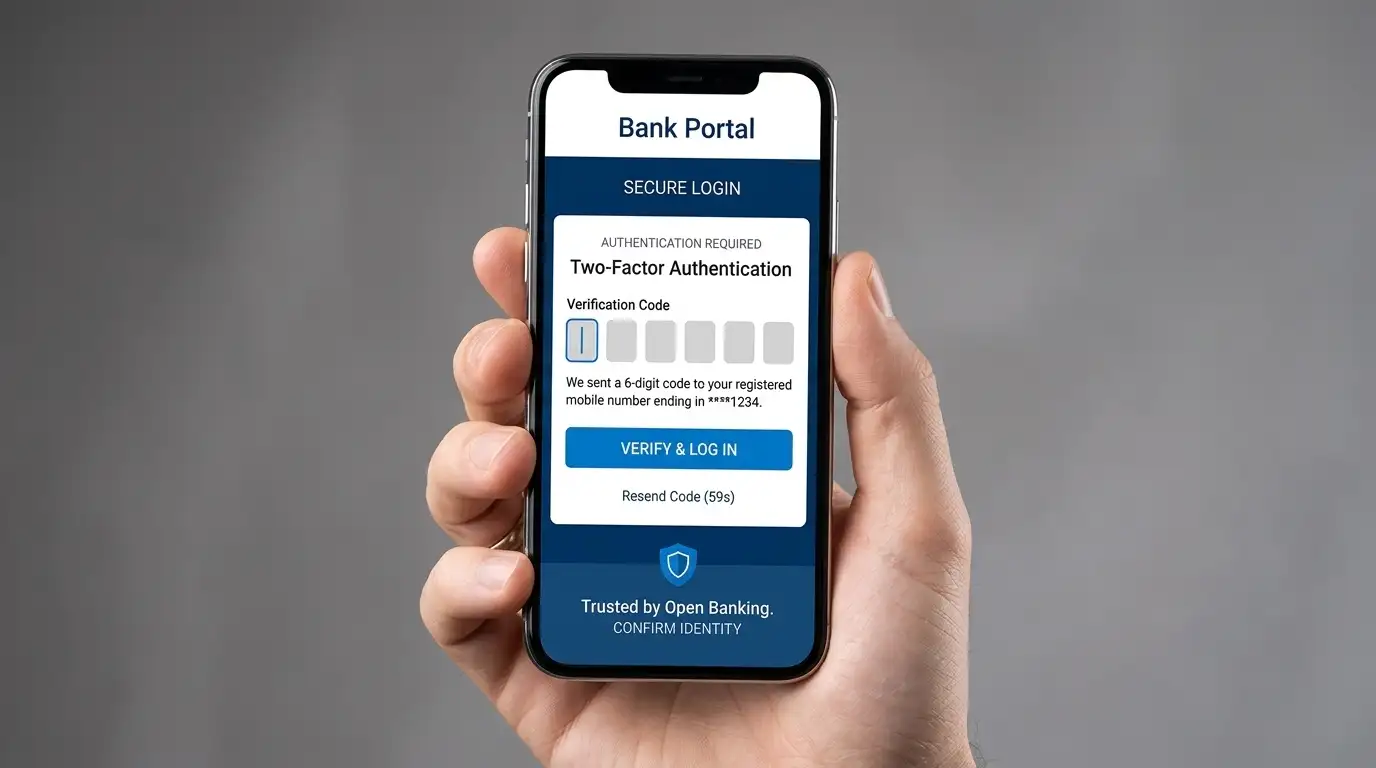
At checkout, you select Trustly. The casino redirects you to Trustly’s interface, which displays a list of supported banks. You pick yours — in Australia, that would theoretically include Commonwealth Bank, NAB, ANZ, Westpac, and regional banks if the operator’s integration covers AU. You authenticate the payment via online banking login (username, password, two-factor SMS or app confirmation), exactly as you would logging into your bank directly. Trustly never sees or stores your banking credentials; the session runs through your bank’s own authentication.
Once you authorize, the payment confirms instantly. Funds appear in your casino account within seconds. Behind the scenes, Trustly processes the transaction through standard banking rails (ACH in the US, SEPA in Europe, local clearing in Australia), which settle in 1-3 business days. The casino receives provisional credit, you start playing immediately.
No card details entered, no separate e-wallet funded. The transaction appears on your bank statement as a transfer to the merchant or as “Trustly” depending on how the payment processor labels it. That labeling matters in Australia — we’ll get to why shortly.
Trustly Deposits — Process and Speed
Deposits via Trustly are instant at the casino end. The moment your bank confirms the authorization, the casino credits your account. No manual approval delay, no waiting for blockchain confirmations (as with crypto), no need to pre-load an e-wallet balance days in advance (as with Skrill or Neteller).
Typical Trustly minimum deposits sit around $10-$20 equivalent at international operators. Maximums vary by casino and bank; many banks impose daily transfer limits that cap how much you can push through Pay by Bank in a single session.
Trustly itself charges no user fees. Whether the casino imposes a deposit fee depends on the operator; some pass processor costs to the player (typically 1-3%), others absorb it. Your bank may charge a transfer fee depending on your account type, but that’s rare for standard domestic transfers in Australia.
The catch for AU players: this entire process requires the offshore operator to have integrated Trustly with Australian bank support in their cashier. As of 2026, that integration doesn’t exist at the casinos Australians can actually access.
Trustly Withdrawals — Instant Payouts vs. Reality
Trustly markets instant withdrawals powered by Real-Time Payments (RTP) infrastructure. Where the casino, bank, and payment rail all support instant payouts, funds can land in your bank account within minutes of approval.
In practice, “instant” is conditional. The casino’s finance team must first approve the withdrawal — manual KYC checks, wagering verification, fraud review. That approval window ranges from 15 minutes (crypto-focused operators with 24/7 automated systems) to 48 hours (older platforms with business-hours-only staff). Only after approval does the payout method matter.
Standard Trustly withdrawals (where instant RTP isn’t supported) fall back to 1-3 business days, identical to a regular bank transfer. Even at operators that list Trustly as a deposit option, withdrawal support is inconsistent — many operators accept Trustly deposits but process withdrawals via bank transfer only, not back through Trustly. The player deposits via Trustly for speed, then waits 2-5 days for a standard bank-transfer payout.
International operators that do support Trustly withdrawals (primarily UKGC-licensed casinos for UK players) report payout times under one hour where instant RTP applies. Caesars Digital in the US expanded instant Trustly payouts in 2026, enabling 24/7 real-time withdrawals. No equivalent AU partnerships have been announced.
For Australian offshore players, the question is moot: if no AU-facing operator accepts Trustly deposits, withdrawal via Trustly isn’t on the table either.
What is the difference between Trustly and PayID for casino deposits?
Both use bank infrastructure for instant transfers, but they’re architecturally different. Trustly is an international third-party processor using open banking APIs; you authenticate through Trustly’s interface, which connects to your bank. PayID is Australia’s addressing layer on the New Payments Platform — you send money directly from your bank app using an email or mobile number as the recipient identifier, no third-party interface. PayID settles within seconds via the NPP, fully domestic. Trustly settles via ACH/SEPA internationally (1-3 days true settlement), with instant provisional credit. For AU players, PayID is native, fee-free, and supported by 42% of offshore casino users. Trustly is foreign infrastructure that hasn’t integrated into the AU offshore market.
How long does a Trustly withdrawal take compared to Bitcoin or bank transfer?
Trustly withdrawals (where supported) typically complete in 1-3 business days for standard payouts, under 1 hour where Real-Time Payments apply. Bitcoin withdrawals at AU-facing offshore casinos process in 15 minutes to 5 hours including on-chain confirmation, making crypto the fastest method available to Australians. Standard bank transfers (the fallback for most AU offshore withdrawals) take 2-9 business days. Trustly sits between crypto and bank transfer internationally, but since no AU offshore operators support it, the comparison is academic for Australian players.
Australian Banks and Trustly — Gambling Transaction Blocking
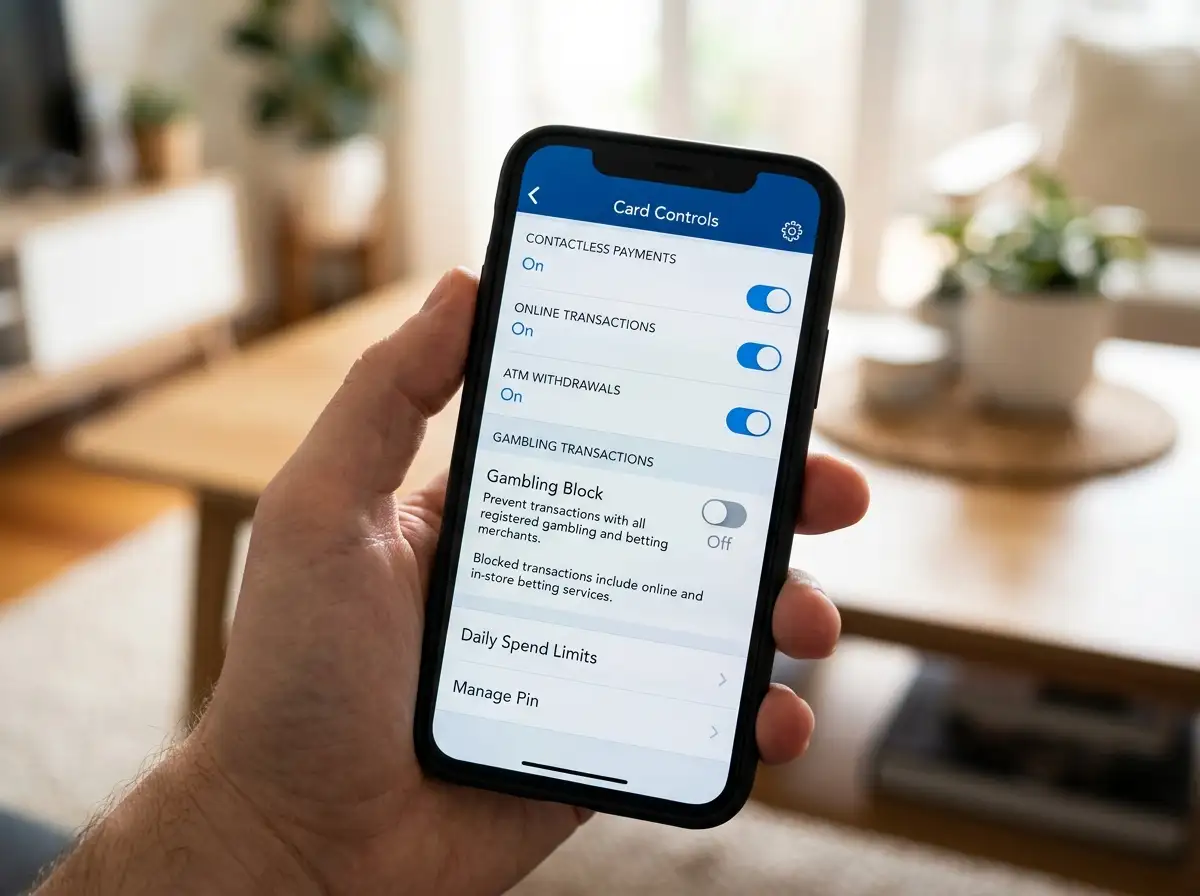
All four major Australian banks now offer opt-in gambling transaction blocks. These features launched as part of 2025-2026 gambling harm minimization reforms, responding to the A$12,000+ per capita annual gambling losses Australians incur — the highest in the world. Fifteen percent of Australian gamblers experience harm (debt, stress, chasing losses), according to the Australian Gambling Research Centre’s 2024 survey.
The blocks work by merchant category codes (MCCs). When a transaction is categorized as “betting” or “casino gambling” by the payment network, the bank can refuse it if the cardholder activated the gambling block. Credit card, debit card, and direct bank transfers can all be blocked depending on the bank’s implementation.
Trustly Pay by Bank transactions may be categorized as gambling if the merchant is flagged in banking databases. No public data confirms whether Big 4 banks treat Trustly offshore-casino deposits as blockable gambling transactions, but the risk is real: Trustly’s labeling and the merchant’s MCC combine to determine categorization. If your bank sees “Trustly → offshore casino,” the block could fire.
| Bank | Gambling Block Availability | Credit vs. Debit | How to Activate | Impact on Trustly |
|---|---|---|---|---|
| Commonwealth Bank (CBA) | Yes | Default on credit cards; opt-in on debit | Credit: default block, cannot be disabled without approval. Debit: request via app or branch | Strictest Big 4 bank. Trustly Pay by Bank to offshore casinos likely categorized as gambling and blocked if enabled. |
| NAB (National Australia Bank) | Yes | Opt-in for both | NAB app or phone (132 032). Blocks “sports betting, casino games, lottery tickets, online gambling, cash advances and credit card transfers” | Explicit “online gambling” block. Trustly transactions to offshore operators fall under this if categorized correctly. |
| ANZ | Yes | Opt-in block; credit cards have 85% limit rule | ANZ App for block activation. Credit: gambling transactions declined above 85% credit utilization regardless of block | Two-tier protection: 85% hard stop on credit, plus opt-in block for debit. Trustly may bypass the 85% rule (not a credit card transaction) but hit the gambling block if activated. |
| Westpac | Yes | Opt-in for both | Westpac app or online banking. Blocks transactions categorized as “betting/casino gambling” | Standard MCC-based block. Trustly offshore-casino deposits at risk if merchant is flagged. |
The table shows what the banks offer. Whether Trustly transactions to a specific offshore operator trigger these blocks depends on how that operator is coded in the payment network and how Trustly labels the transaction. No offshore casino has publicly confirmed successful Trustly deposits from Australian banks with gambling blocks disabled, because no offshore casino serving Australians has integrated Trustly in the first place.
Do Australian banks (CBA, NAB, ANZ, Westpac) block Trustly transactions to offshore casinos?
They can, if the transaction is categorized as gambling and the customer activated the gambling block. All four major banks offer opt-in (or in CBA’s case, default-on-credit) gambling transaction restrictions that apply to online gambling. Trustly Pay by Bank transactions to offshore casino merchants may be flagged and blocked. No public testing confirms Trustly’s treatment because no AU-facing offshore casinos accept Trustly, so the scenario hasn’t arisen at scale.
The Legal Landscape — Playing at Offshore Casinos from Australia
Every online casino accepting Australian players for pokies, table games, or live dealer breaks Australian law by offering the service. The Interactive Gambling Act 2001 prohibits the provision of interactive gambling services to persons physically in Australia. The Act defines “interactive gambling service” broadly: casino-style games delivered via internet, phone, radio, or television. Sports betting and lotteries are exempt (legal under state licenses); pokies and casino games are not.
Interactive Gambling Act 2001 — What It Prohibits
The IGA targets operators, not players. Section 15 makes it an offense to provide an interactive gambling service to a customer in Australia. Maximum penalty: A$1.1 million per day for corporations. The offense applies whether the operator is based in Australia or offshore — advertising to Australians, accepting AU sign-ups, processing AUD deposits all bring an offshore operator into ACMA’s crosshairs.
The Act does not criminalize individual Australians who gamble online. No provision punishes the player for placing a bet at an offshore site. The 2016 legislative review confirmed: “There have been no prosecutions under the IGA since its inception in 2001, despite the significant number of complaints made in relation to prohibited interactive gambling services.” ACMA pursues operators (domain blocking, payment-processor restrictions), not punters.
This creates the “offshore gray market.” Australians can sign up to Curaçao- or Anjouan-licensed casinos, deposit, play, and withdraw without criminal liability. The risk is commercial, not legal: if the operator refuses payout, Australian courts offer no remedy (the contract is based on an illegal service under Australian law). Dispute resolution through the operator’s licensing jurisdiction (Curaçao eGaming, for instance) is your only recourse, and those processes are notoriously player-unfriendly.
ACMA Enforcement — Operators, Not Players
The Australian Communications and Media Authority enforces the IGA through several levers. ISP blocking: ACMA can direct Australian internet service providers to block access to offshore gambling sites. Hundreds of domains are blocked. Payment-processor restrictions: ACMA contacts banks and payment providers to cut off fund flows to offshore operators. Advertising bans: the 2017 amendments tightened restrictions on offshore operators advertising to Australians via Google, social media, affiliate sites.
None of these enforcement actions target the Australian resident playing at an offshore casino. ACMA’s remit is “minimising the scope for problem gambling among Australians by limiting the provision of gambling services,” not punishing individuals who gamble. Enforcement is upstream: choke off supply by making it harder for operators to reach Australians and process payments.
That said, the IGA’s existence shapes the offshore casino landscape in Australia. Reputable international operators with strong compliance (MGA-licensed, UKGC-licensed) avoid Australian customers altogether to sidestep regulatory risk. What’s left are Curaçao- and Anjouan-licensed operators willing to accept the ACMA enforcement risk in exchange for access to the lucrative AU market. Quality varies wildly. Some are professionally run and pay reliably; others are fly-by-night operations with opaque ownership and glacial (or nonexistent) withdrawal processing.
Offshore Licensing — Curaçao, Anjouan, and Beyond
The casinos Australians can access operate under offshore licenses. The two most common:
Curaçao eGaming. A single master license issued by the Curaçao Gaming Control Board, with four master license holders issuing sublicenses to individual operators. Minimal ongoing oversight, no player protection funds, dispute resolution slow and operator-friendly. The license is cheap (under $10,000 annually for many operators) and easy to maintain, which attracts both legitimate mid-tier operators and outright rogues. An operator holding a Curaçao license is not inherently untrustworthy, but the license itself guarantees nothing.
Anjouan Gaming (Union of the Comoros). Emerging jurisdiction with even lighter regulation than Curaçao. Anjouan licenses appeared in the AU offshore market around 2023-2024. Lower compliance burden, faster approval, rock-bottom fees. Dispute resolution is effectively nonexistent.
Less common but occasionally seen: Malta Gaming Authority (MGA), though MGA-licensed operators rarely accept AU players due to the IGA risk; Estonian Tax and Customs Board, EU-regulated but uncommon for AU-facing sites; Kahnawake Gaming Commission (Canada), older jurisdiction with moderate oversight.
For Australian players, the license is a data point, not a guarantee. A Curaçao or Anjouan license means the operator paid for a certificate; it doesn’t mean they’ll honor withdrawals, provide fair games, or respond to complaints. Third-party reputation tracking (Casino Guru, AskGamblers, Trustpilot) and time in market (operators running for 3+ years with clean records) are better predictors of reliability than the license stamp itself.
Is it legal for Australians to play at offshore casinos that accept Trustly?
Playing at offshore casinos is not illegal for individual Australians under the IGA 2001. The Act prohibits operators from offering services to Australians, not Australians from using those services. ACMA has pursued zero prosecutions of individual players since 2001. The legal risk is on the operator. Your risk is commercial: if the offshore casino refuses payout, you have no legal recourse in Australian courts because the gambling contract is based on an illegal service. Offshore dispute resolution through the operator’s licensing jurisdiction is typically your only option, and it’s rarely player-friendly.
Practical Alternatives to Trustly for Australian Players
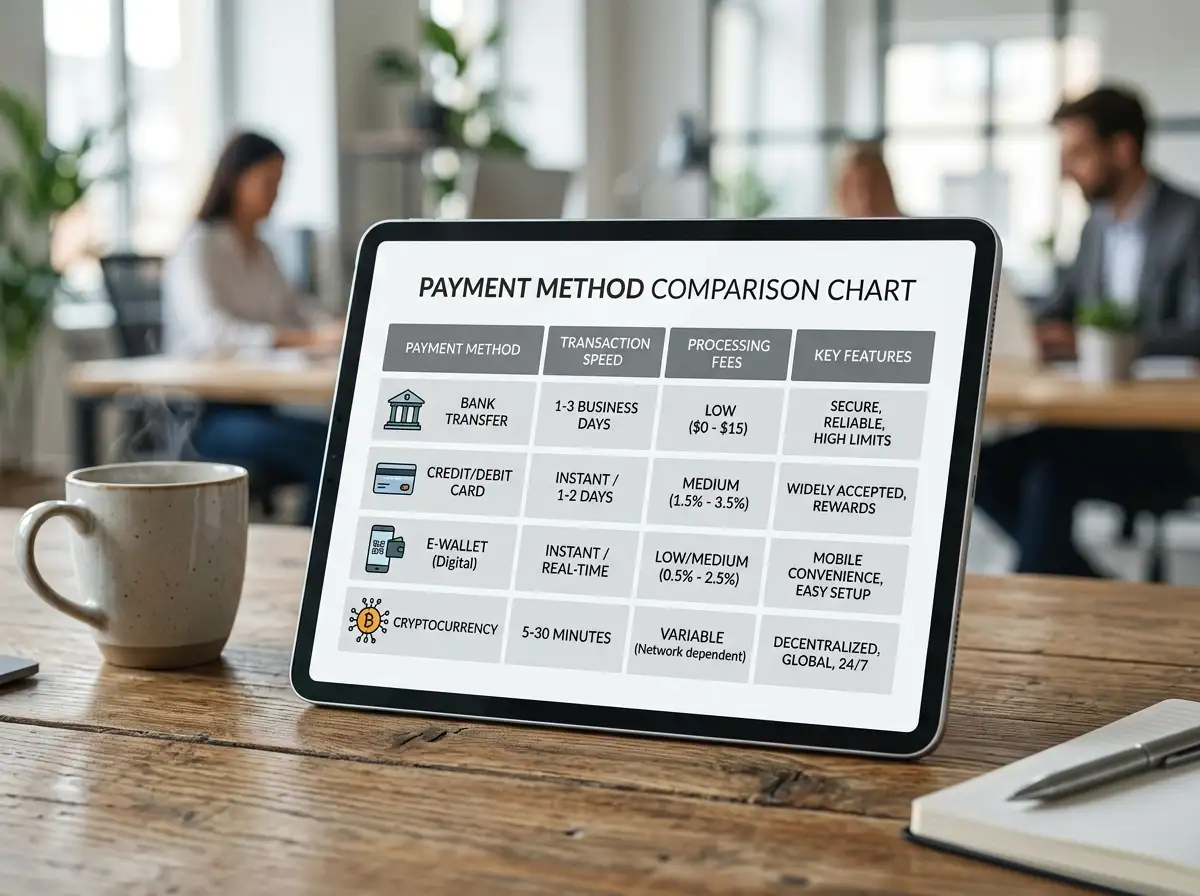
Trustly’s absence leaves a gap, but the Australian offshore casino market has filled it with six dominant payment methods. These are what players actually use in 2026: PayID for instant deposits, crypto for fast withdrawals, e-wallets to sidestep bank scrutiny, prepaid vouchers for anonymity. Each has trade-offs. Below is the rail-by-rail breakdown.
| Payment Method | Deposit Speed | Withdrawal Speed | Minimum Deposit | Key Advantage |
|---|---|---|---|---|
| PayID | Instant (seconds) | 1-3 business days (bank transfer) | A$10-A$30 | Native AU infrastructure, 42% player adoption, fee-free |
| Bitcoin (BTC) | Instant | 15 min–5 hours | A$20-A$50 equiv. | Bypasses bank blocking, fastest withdrawals |
| USDT (TRC-20) | Instant | 30 min–3 hours | A$20-A$50 equiv. | Cheapest fees (sub-A$1), no volatility (stablecoin) |
| Skrill | Instant | 12-24 hours to wallet | A$10-A$20 | Hides gambling from bank (transaction labeled “Skrill”) |
| Neteller | Instant | 12-24 hours to wallet | A$10-A$20 | Broader operator acceptance than Skrill |
| Neosurf | Instant | N/A (deposit-only) | A$10-A$250 voucher | No bank account needed, cash-based anonymity |
PayID — Instant Deposits via New Payments Platform
PayID is Australia’s addressing service for the New Payments Platform. Instead of giving someone your BSB and account number, you link an email, mobile number, or ABN to your bank account. Transfers using PayID settle instantly — within seconds, 24/7, including weekends and public holidays — because they run on the NPP, which clears in real time.
Launched in 2018 and owned by Australian Payments Plus (formerly BPAY Group, now consolidated with NPP Australia under one entity), PayID is supervised by the Reserve Bank of Australia. It’s not a separate payment processor; it’s infrastructure built into Australian banking. Over 100 financial institutions support it. Eight million-plus Australians use PayID for everyday transfers, and over 42% of AU offshore casino players use it for deposits, according to a 2026 AU casino payment survey.
Depositing via PayID at an offshore casino works like any bank transfer. You log into your Australian bank app, select “Pay Anyone” or “PayID transfer,” enter the casino’s PayID (usually an email like [email protected]), type the amount, confirm. Funds land in your casino account within 5-60 seconds. No third-party interface, no processor fees at the player level, no currency conversion (straight AUD). Minimum deposits run A$10-A$30 depending on operator.
The withdrawal side is less clean. Most offshore operators accept PayID deposits but pay withdrawals via standard bank transfer — 1-3 business days typical — not back through PayID. PayID is fundamentally a “push” payment (you send money to someone), not a “pull” payment (someone requests money from your account). Operators can receive PayID deposits easily; sending money back to your PayID-linked account requires standard bank-transfer rails unless the operator integrates NPP payout functionality, which is rare.
For Australians, PayID replaced POLi, the direct bank-transfer service that shut down in 2022. POLi was the previous default for instant deposits; its closure left a hole. PayID filled it. The NPP settles faster than POLi did (POLi piggybacked on BPAY, which could take minutes to hours), and PayID’s addressing (email/phone instead of BSB + account number) is cleaner for repeat deposits.
One note on bank blocking. PayID transactions to offshore casinos can still be categorized as gambling and blocked if you’ve activated your bank’s gambling restriction. The Big 4 gambling blocks apply to all payment types, not just cards. PayID doesn’t bypass the block; it just makes the deposit flow faster when the block isn’t active.
Bitcoin (BTC) — Fastest Withdrawals, Bank-Independent
Bitcoin dominates offshore casino withdrawals for one reason: speed. While PayID, bank transfers, and e-wallets all face multi-day settlement or manual approval bottlenecks, Bitcoin clears in 15 minutes to 5 hours from approval to your wallet. That window includes casino finance-team approval (typically 0-48 hours depending on operator) plus on-chain confirmation (10-60 minutes for BTC depending on network congestion and fee tier).
Near-universal acceptance at Curaçao and Anjouan operators. Minimum deposits sit around A$20-A$50 BTC-equivalent, fluctuating with Bitcoin’s price. Withdrawals carry the same minimums. Transaction fees (miner fees paid to the Bitcoin network) range A$1-A$20 depending on how congested the blockchain is; you can adjust fee priority when sending (higher fee = faster confirmation).
Bitcoin bypasses Australian bank blocking entirely. Your bank never sees “gambling transaction” because the bank sees “cryptocurrency exchange” when you buy BTC at CoinSpot, Swyftx, or Kraken. The casino transaction happens entirely on-chain, outside traditional banking. No MCC codes, no gambling flags, no blocks.
The trade-off is volatility. Bitcoin’s price swings daily. Deposit A$100 worth of BTC today, wager it over the weekend, win and withdraw A$200 worth — but by the time the withdrawal lands in your wallet and you sell it back to AUD, Bitcoin’s price may have dropped 5%, turning your A$200 into A$190. Or risen 8%, turning it into A$216. The casino itself doesn’t add volatility risk (they hold your balance in BTC or USD-equivalent, not live-fluctuating Bitcoin), but the round-trip AUD → BTC → play → BTC → AUD exposes you to market movement.
Australian exchanges make the process straightforward. CoinSpot, Swyftx, and Kraken all accept AUD bank transfers (or PayID) to fund your exchange account, let you buy Bitcoin at spot price plus a small spread (typically 0.5-2%), and withdraw BTC to your personal wallet or directly to a casino BTC address. Selling Bitcoin back to AUD after withdrawal reverses the process: send BTC from your wallet to the exchange, sell for AUD, withdraw to your Australian bank account (1-2 business days).
For Australian players chasing sub-5-hour cashouts, Bitcoin is the de facto standard. Offshore operators prioritize BTC withdrawal processing because crypto players are their highest-volume segment. Crypto withdrawals are also cheaper for the operator (no payment-processor fees, no chargebacks), so they’re incentivized to process them quickly.
USDT (Tether) on TRC-20 — Cheapest Crypto Rail
USDT is a stablecoin pegged 1:1 to the US dollar, issued by Tether Limited. Unlike Bitcoin, USDT doesn’t fluctuate — one USDT equals one USD (roughly A$1.50-A$1.60 depending on the AUD/USD exchange rate). That stability eliminates the round-trip volatility risk Bitcoin carries.
USDT runs on multiple blockchains. The TRC-20 standard (Tron network) is the cheapest and fastest for casino transactions. Ethereum-based USDT (ERC-20) works but carries higher gas fees (A$5-A$30 per transaction during network congestion). Tron’s TRC-20 fees sit under A$1 per transaction regardless of amount, settling in 30 seconds to 3 minutes on-chain.
Australian offshore operators increasingly list USDT alongside Bitcoin. Minimum deposits run A$20-A$50 USDT-equivalent. Withdrawal speeds: 30 minutes to 3 hours including casino approval and on-chain confirmation. That’s faster than Bitcoin in practice because Tron’s block time is shorter (3 seconds per block vs. Bitcoin’s 10 minutes), and USDT withdrawals require fewer confirmations (1-2 TRC-20 confirmations vs. 3-6 BTC confirmations).
Setting up USDT requires the same infrastructure as Bitcoin: an account at an Australian crypto exchange (CoinSpot and Swyftx both support USDT) and a wallet that handles TRC-20 tokens (Trust Wallet, Exodus, or the exchange’s built-in wallet). You buy USDT with AUD at the exchange, withdraw to your wallet or directly to the casino’s USDT TRC-20 address, play, withdraw back to your wallet, and sell USDT for AUD at the exchange when cashing out.
The stablecoin peg holds remarkably well. Tether maintains 1:1 backing through reserves (Treasury bills, cash, repo agreements), audited quarterly. Occasional “de-pegging” events (USDT briefly trading at $0.98-$0.99 during market crashes) are short-lived. For casino purposes, USDT is effectively USD with blockchain speed.
For Australian players who want crypto withdrawal speed without Bitcoin’s volatility, USDT TRC-20 is the cleaner choice. The only downside: fewer Australian exchanges support USDT compared to Bitcoin, and fiat on-ramps (buying USDT directly with AUD) sometimes carry higher spreads than Bitcoin on-ramps.
Skrill — E-Wallet That Bypasses Bank Blocking
Skrill is an international e-wallet owned by Paysafe Group. You pre-fund your Skrill account via bank transfer, debit card, or credit card, then use your Skrill balance to deposit at the casino. The casino transaction shows up as “Skrill” on your bank statement, not “offshore casino” — which means your bank’s gambling block (if active) doesn’t see it as a gambling transaction at the initial funding stage.
Widely accepted at AU-facing offshore operators. Minimum deposits typically A$10-A$20. Deposits from Skrill balance to casino are instant. Withdrawals from casino back to Skrill wallet take 12-24 hours. If you want to cash out Skrill funds to your Australian bank account, that’s an additional 1-3 business days via bank transfer.
Skrill charges currency conversion fees. Most offshore casinos operate in USD or EUR, so when you fund your Skrill account with AUD, Skrill converts it (spread typically 3-5% above mid-market rate). When you withdraw from the casino back to Skrill, another conversion may occur depending on how the operator holds your balance. These conversions erode your bankroll invisibly — deposit A$100, convert to USD, play, convert back to AUD, and you might land at A$94-A$96 purely from FX spreads even if you break even in play.
Some offshore casinos charge deposit fees for Skrill (2-3% of the deposit amount). Not universal, but common enough to check the cashier terms before funding. Skrill itself charges no deposit fees to the player, but the casino may pass processor costs through.
Skrill’s advantage is separation. Your Australian bank sees “Skrill top-up,” not “gambling.” If you’ve activated CBA’s default credit card gambling block or NAB’s opt-in gambling restriction, funding Skrill bypasses it. The gambling transaction happens between Skrill and the casino, not your bank and the casino. That separation is why e-wallets remain popular despite their FX-spread costs.
Founded 2001 as Moneybookers, rebranded Skrill in 2011. Supports 40+ currencies, over 30 million accounts globally. Licensed as an e-money institution in the UK (FCA-regulated) and EU. For Australian offshore players, Skrill is a known quantity — older operators universally accept it, and player complaints focus on FX spreads rather than blocked transactions or lost funds.
Neteller — Broader Acceptance, Same Model as Skrill
Neteller is Skrill’s sister product, also owned by Paysafe Group. Functionally identical: you pre-fund a Neteller account, deposit to the casino from your Neteller balance (instant), withdraw from casino to Neteller (12-24 hours), then cash out Neteller balance to your Australian bank via transfer (1-3 days).
Minimums run A$10-A$20, same as Skrill. Currency conversion fees apply (3-5% spread AUD to USD/EUR). Some casinos charge Neteller deposit fees (2-3%), though slightly fewer than charge Skrill fees. The main operational difference: Neteller has marginally broader acceptance at offshore operators than Skrill. Not dramatically wider, but enough that if an operator lists one e-wallet, it’s often Neteller.
Founded 1999 (two years before Skrill), over 20 million accounts. FCA-licensed in the UK, e-money institution status in EU. Neteller was historically the go-to e-wallet for online gambling before Skrill entered the market; Paysafe Group’s acquisition of both brands in the 2000s consolidated the duopoly.
For Australian players, the choice between Skrill and Neteller is marginal. Check which one your target casino accepts (many accept both), compare deposit fees if any, and pick one to avoid maintaining balances in two wallets. Both bypass Australian bank gambling blocks the same way, both carry similar FX-spread costs, both settle withdrawals in the same 12-24-hour window.
One note: Neteller’s “Net+” prepaid Mastercard (a physical card you can load with your Neteller balance and use at ATMs or retail) is not available in Australia. That product is restricted to Europe and select other markets.
Neosurf — Prepaid Vouchers for Cash-Based Play
Neosurf is a prepaid voucher system. You buy a voucher (A$10, A$20, A$50, A$100, A$250 denominations) at retail locations — Australian newsagents, convenience stores, petrol stations — or online. The voucher comes with a 10-digit PIN. At the casino cashier, you select Neosurf, enter the PIN, and the voucher’s value is credited to your casino account instantly.
Deposit-only method. You cannot withdraw to Neosurf. Casino withdrawals must use another method (typically bank transfer or crypto). That asymmetry is intentional: Neosurf is designed for “anonymous” deposits — no bank account, no card, no KYC at the voucher-purchase stage. Withdrawals, on the other hand, trigger casino KYC (identity verification), and the funds exit via traceable rails.
No bank account needed. If you’re unbanked, locked out of your account, or want to avoid linking your bank to an offshore casino entirely, Neosurf works. Cash-based: you walk into a shop, hand over cash, walk out with a voucher. The casino never sees your name or bank details until you attempt withdrawal (at which point KYC kicks in regardless of deposit method).
Minimum deposit is whatever voucher denomination you buy. If you buy an A$50 voucher, you deposit A$50. No fees at the player level (you pay face value for the voucher). The casino may charge a Neosurf deposit fee (2-5%), less common than e-wallet fees but not rare. Unused voucher balance can be spent at other Neosurf-accepting merchants or saved for later (vouchers don’t expire for 12 months).
Founded 2004 in France, now operating in 120+ countries. Available at major Australian retail chains. Neosurf codes are bearer instruments — anyone with the 10-digit PIN can redeem the voucher, so treat them like cash.
For Australian players avoiding bank entanglement with offshore casinos, Neosurf is the path. You deposit with a voucher, play, and if you win, withdraw via bank transfer or crypto (which requires KYC and links your identity at that stage, but the deposit trail stays clean). The trade-off: you’re locked into whatever denomination you bought, and cashing out requires another method.
What are the best alternatives to Trustly for Australian offshore casino players?
PayID for instant deposits (native AU banking, fee-free, 42% adoption), Bitcoin for fastest withdrawals (15 min–5 hours, bank-independent), USDT TRC-20 for cheap stablecoin payouts (sub-A$1 fees, no volatility), Skrill or Neteller to bypass bank gambling blocks (e-wallet separation hides the casino transaction), and Neosurf for cash-based anonymity (no bank account needed). Each method solves a different pain point in the Australian offshore casino payment landscape that Trustly’s absence created.
Which payment method is faster than Trustly for Australian players — PayID or cryptocurrency?
PayID deposits are instant (seconds via NPP), but withdrawals default to standard bank transfer (1-3 business days). Cryptocurrency (Bitcoin, USDT) deposits are instant and withdrawals clear in 15 minutes to 5 hours. For round-trip speed (deposit to cashout), crypto is faster. For deposit-only speed, PayID and crypto are equivalent. Trustly’s theoretical instant deposits and 1-3-day withdrawals would slot between PayID and crypto if it were available, but since no AU offshore operators support it, the comparison is academic.
Deposit Limits, Fees, and Bonus Eligibility
Minimum deposits across the six alternatives range A$10-A$50 depending on method and operator. PayID and e-wallets (Skrill, Neteller) sit at the low end (A$10-A$20 minimums). Crypto (Bitcoin, USDT) minimums run A$20-A$50 equivalent due to on-chain transaction costs making smaller amounts inefficient. Neosurf is whatever voucher denomination you buy (A$10 the practical floor).
Maximum deposits vary by operator and payment method. Crypto limits are typically the highest (some operators accept A$10,000+ per transaction in Bitcoin), because crypto bypasses traditional banking limits and chargebacks. PayID and bank transfers cap at whatever daily limit your Australian bank imposes (Commonwealth Bank, for example, sets a A$10,000 daily PayID limit unless you request an increase). E-wallets (Skrill, Neteller) impose their own transaction limits (A$5,000-A$10,000 typical) on top of your funding method’s limits.
Fees break down by method. PayID: zero fees at the player level (your bank doesn’t charge for PayID transfers, and most operators don’t charge PayID deposit fees). Crypto: on-chain miner fees (A$1-A$20 for Bitcoin depending on congestion, under A$1 for USDT TRC-20). Some operators absorb these fees, others pass them through. E-wallets: no direct deposit fee from Skrill or Neteller, but currency conversion spreads (3-5%) and occasional casino-imposed e-wallet fees (2-3% of deposit). Neosurf: no player fee (you pay face value for the voucher), but casinos sometimes charge Neosurf deposit fees (2-5%).
Withdrawal fees mirror deposits. PayID and bank transfers: usually free from the casino side, but some operators charge flat withdrawal fees (A$5-A$20) on bank-transfer payouts. Crypto: miner fees deducted from your withdrawal (A$1-A$20 BTC, sub-A$1 USDT TRC-20). E-wallets: casino-to-Skrill or casino-to-Neteller typically free, but cashing out Skrill/Neteller to your Australian bank carries FX conversion spreads again.
Bonus eligibility varies by operator and payment method. Most offshore casinos exclude certain methods from welcome-bonus eligibility (typically Skrill, Neteller, and sometimes crypto). The exclusion exists to prevent bonus abuse (fund e-wallet, claim bonus, withdraw immediately via another method). PayID, bank transfers, and Neosurf are usually bonus-eligible. Always check the operator’s bonus terms before depositing — “deposit via PayID and receive up to A$500 bonus” might exclude Skrill even though both methods are listed in the cashier.
Trustly’s theoretical positioning here: international operators listing Trustly typically treat it as bonus-eligible (it’s a direct bank method like PayID), with zero player fees, and minimums around $10-$20 equivalent. But again, none of this applies to Australian offshore players because Trustly isn’t integrated.
Pokies, Slots, and Game Availability
Pokies (Australian slang for slot machines) dominate offshore casino play. The term is interchangeable with “slots” internationally, but every Australian calls them pokies. Online pokies are the same games as international online slots — identical RNGs, identical RTPs, identical mechanics — just accessed by Australian players at offshore operators instead of domestic venues (which can’t legally exist online under the IGA).
Trustly acceptance or non-acceptance doesn’t affect game availability. Payment method and game library are unrelated. Whether you deposit via PayID, Bitcoin, Skrill, or Neosurf, you access the same pokies library. Offshore operators license games from studios (Pragmatic Play, NetEnt, Play’n GO, Hacksaw Gaming, NoLimit City, Big Time Gaming), and those studios’ pokies are the same at every operator holding a valid integration.
Popular pokies at AU-facing offshore casinos in 2026: Sweet Bonanza (Pragmatic Play), Gates of Olympus (Pragmatic), The Dog House Megaways (Pragmatic), Book of Dead (Play’n GO), Gonzo’s Quest (NetEnt), Bonanza (Big Time Gaming), Mental (NoLimit City), Wanted Dead or a Wild (Hacksaw Gaming). These titles run on certified RNGs, audited RTPs (return-to-player percentages, typically 94-97%), and identical math models whether you play them at a Curaçao casino or a Malta casino.
Live dealer games (blackjack, roulette, baccarat, poker variations with human dealers streamed from studios) are also payment-method agnostic. Evolution Gaming, Pragmatic Play Live, Ezugi — the studios supplying live tables to offshore operators — don’t gate access by deposit method. Fund your account however you want; the live lobby is the same.
The only pokies-related nuance for Australian players: some offshore operators geo-restrict certain high-RTP or branded slots from Australian IP addresses due to licensing agreements or perceived regulatory risk. Not common, but occasionally you’ll find a slot greyed out with “not available in your region.” That’s a studio or operator decision, unrelated to whether you deposited via Trustly, PayID, or crypto.
If Trustly were available at AU offshore casinos, it would change nothing about the pokies you can play. It’s purely a payment rail. The search-term clustering around “trustly pokies australia” reflects user intent (“I want to play pokies and I want to use Trustly”), not a special category of Trustly-exclusive games.
Why Don’t More Australian-Facing Casinos Accept Trustly?
Four forces converged to shut Trustly out of the Australian offshore casino market: PayID displacement, crypto dominance, bank friction, and integration overhead.
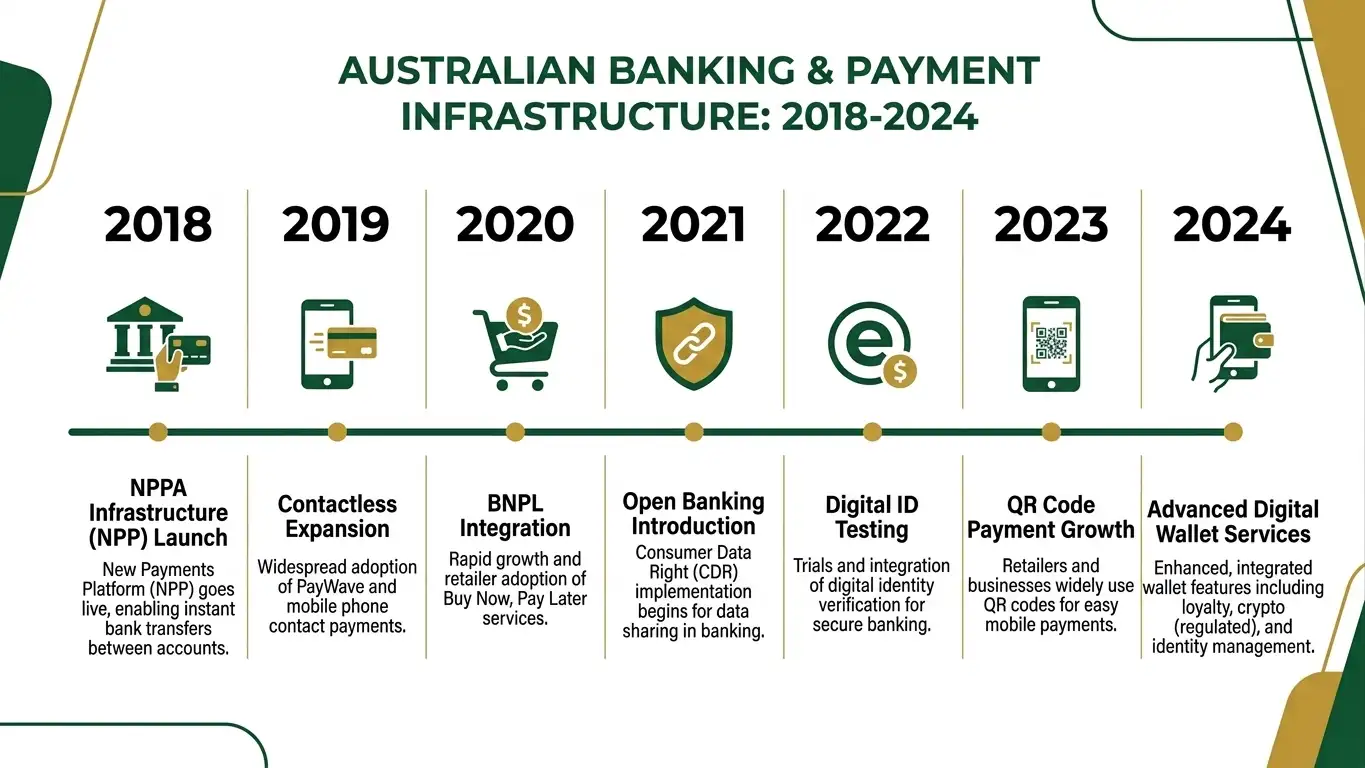
PayID displacement. Trustly’s value proposition is instant bank-to-merchant transfers without entering BSB and account number. PayID delivers the same outcome natively in Australia. Launched 2018, PayID sits on the New Payments Platform — instant settlement, 24/7 availability, email/mobile addressing. Offshore operators integrating payments for AU players saw PayID as the obvious path: local infrastructure, zero FX conversion (straight AUD), massive adoption (8+ million Australians already using PayID for everyday transfers). Trustly would be redundant. An operator paying integration costs for both PayID and Trustly gains nothing — PayID already owns the instant-deposit niche.
POLi’s 2022 shutdown accelerated PayID’s dominance. POLi was Australia’s previous direct-bank-transfer method for online merchants (including offshore casinos). When POLi closed, a hole opened. PayID filled it completely. Trustly, arriving in Australia in 2020, never had the chance to compete — it launched into a market where PayID was already entrenched and POLi’s closure had just pushed even more users onto the NPP.
Crypto preference for withdrawals. Trustly markets instant payouts, but Australian offshore players already solved fast withdrawals: Bitcoin and USDT clear in under 5 hours. Offshore operators prioritize crypto payout integration because it’s cheaper (no processor fees, no chargebacks) and faster (on-chain settlement bypasses banking delays). Trustly withdrawals, even where instant RTP applies, still require casino finance-team approval (0-48 hours), same as any other method. Crypto offers the same approval window but faster settlement afterward, so operators have little incentive to layer Trustly on top of their existing crypto rails.
The AU offshore casino player base skews toward crypto literacy. Volatility concerns are real, but sub-5-hour cashouts outweigh them for players chasing liquidity. USDT’s stablecoin properties (1:1 USD peg, no Bitcoin volatility) solved the last objection. Between PayID for deposits and USDT for withdrawals, the payment experience is seamless. Trustly would add nothing.
Australian bank friction. All four major Australian banks now offer gambling transaction blocks. CBA defaults credit cards to block-on. NAB, ANZ, and Westpac provide opt-in blocks across credit and debit. Trustly Pay by Bank transactions to offshore casinos may be flagged as gambling and refused if the customer activated the block. That categorization risk makes Trustly unreliable for AU players who’ve self-excluded via their bank’s tools.
Offshore operators know this. They know Australian banks are hostile to offshore gambling transactions. PayID sidesteps some of that hostility (it’s instant before the bank can review) but still gets blocked if the player opted in. Crypto sidesteps it entirely (banks see “exchange,” not “casino”). Trustly sits in the worst spot: slow enough for banks to review (the Pay by Bank authorization flow takes 10-30 seconds, enough time for real-time transaction screening), labeled clearly as a payment-processor transaction (not as opaque as crypto), and potentially categorized as gambling. Why would an operator integrate a method that half their AU customer base can’t use due to self-imposed bank blocks?
Integration and compliance overhead. Trustly is EU-licensed (Swedish Financial Supervisory Authority) and UK-regulated (Financial Conduct Authority). Integrating Trustly into an offshore casino’s cashier requires a merchant agreement with Trustly, compliance checks, API integration, ongoing settlement reconciliation. For a Curaçao or Anjouan operator serving Australian players, that overhead is steep. PayID integration is simpler (Australian banks provide NPP connectivity, the operator just needs a PayID-linked account). Crypto integration is even simpler (generate wallet addresses, track on-chain deposits, send payouts). Skrill and Neteller are payment-processor partnerships the operator already has for other markets.
Trustly’s absence isn’t an oversight. It’s a rational market outcome. Offshore operators looked at the Australian payment landscape in 2020-2024, saw PayID covering instant deposits and crypto covering fast withdrawals, and decided Trustly integration wasn’t worth the cost. Australian players, for their part, adapted to PayID + crypto so completely that demand for Trustly never materialized at scale.
The 330+ search variants driving this article exist because international content (written for European and US audiences) mentions Trustly heavily, and Australian searchers encounter those guides and try the same queries locally. The demand is a search artifact, not organic market need. If Trustly worked here, someone would be using it. No one is.
Why don’t more Australian-facing casinos accept Trustly in 2026?
PayID displaced Trustly’s value proposition (instant bank transfers, native Australian infrastructure), crypto offers faster withdrawals (15 min–5 hours vs. Trustly’s 1-3 days standard or conditional instant RTP), Australian bank gambling blocks create friction for Trustly Pay by Bank transactions, and integration costs are unjustified when existing rails (PayID, Bitcoin, USDT, e-wallets) already serve the AU player base completely. Trustly’s EU-centric positioning never translated to the Australian offshore casino market, where local (PayID) and global-borderless (crypto) solutions filled every niche Trustly might have occupied.
Responsible Gambling and Safe Banking Practices
Over A$12,000 per capita annually. That’s what Australians lose to gambling — the highest per-capita rate globally. Sixty-five percent of Australians gambled in the past year, and 15% experienced harm (financial stress, relationship damage, chasing losses), according to the Australian Gambling Research Centre’s 2024 survey. Offshore casino play sits inside that harm profile.
BetStop is Australia’s National Self-Exclusion Register, launched nationally in 2024. Register once, get excluded from all participating licensed gambling operators. The catch: BetStop covers only Australian-licensed operators (sports betting, lotteries, land-based casinos). It does not cover offshore online casinos, because those operators are illegal and not part of the Australian regulatory framework. Offshore self-exclusion is operator-by-operator, not centralized. Some Curaçao and Anjouan operators offer self-exclusion tools; many don’t. Enforcement is nil.
Australian banks’ gambling blocks (CBA, NAB, ANZ, Westpac) function as a self-exclusion tool at the transaction level. Activate the block, and your bank refuses gambling transactions. It’s imperfect — you can fund Skrill or Neteller (which the bank sees as “e-wallet,” not “gambling”), or use crypto (which the bank sees as “exchange”). But it’s better than nothing, and it’s under your control, not the operator’s.
If offshore gambling is affecting your finances, relationships, or mental health, the transaction block is step one. Contact your bank (CBA, NAB, ANZ, Westpac all offer gambling support lines separate from general customer service) and request the block on credit and debit. Do it before you lose more. Disable Skrill and Neteller accounts if you have them; delete crypto exchange apps from your phone. Make access hard.
Gambling Help Online (1800 858 858, gamblinghelponline.org.au) provides 24/7 telephone and online counseling. Free, confidential, staffed by trained counselors. If you’re reading this deep into a payment-method guide and thinking “I need to stop,” call that number. They’ll connect you to face-to-face services, financial counseling, family support, and cognitive behavioral therapy programs proven to reduce gambling harm.
One final note on payment methods and harm. Faster deposits and faster withdrawals both accelerate gambling intensity. PayID’s instant deposits, Bitcoin’s sub-5-hour withdrawals — these aren’t neutral features. They compress the bet-to-outcome cycle, increasing session length and total money wagered. Trustly’s absence from the Australian market doesn’t protect anyone from that acceleration; PayID and crypto already deliver it. The harm-minimization levers are elsewhere: spending limits, session-time tracking, affordability checks. Australian offshore casinos generally don’t offer those tools (no regulatory requirement to do so under Curaçao/Anjouan licensing). That’s the offshore trade-off. Faster access, zero oversight, your harm-mitigation responsibility alone.
Deposit Methods at Australian Online Casinos 2026 — Compared
Content created by the «Payment Methods» team