
No Verification Withdrawal Casinos Australia: Tested Speeds, Real Thresholds & the Offshore Trade-Off
 Available in AU

The withdrawal arrived in 11 minutes. No passport scan, no utility bill, no selfie with today’s newspaper — just a PayID request and the money landed. That’s the pitch, anyway. The reality sits somewhere between that dream and the usual three-day verification purgatory most offshore casinos put you through before they’ll release a cent.
This guide maps which offshore casinos serving Australian players in 2026 actually deliver fast withdrawals without upfront ID verification, how long each one takes in practice, which payment methods keep you anonymous longest, and — most importantly — exactly when the “no verification” promise breaks down. Every operator below was tested with real accounts, real deposits, and real withdrawal requests. The speeds listed aren’t marketing copy; they’re stopwatch results.
No Australian-licensed casino exists for pokies, table games, or live dealer play. The Interactive Gambling Act 2001 prohibits that federally. Every option in this guide operates under an offshore license — Curaçao, Anjouan, Malta — and the Australian Communications and Media Authority has blocked over 1,700 casino domains by mid-2026. Playing at offshore sites isn’t illegal for you as a player, but you’re giving up AFCA dispute resolution, local consumer protection, and any illusion that a regulator will help if the casino decides your balance is “under review” indefinitely.
Speed matters. Privacy matters. But clarity matters most: when does the ID check actually happen, how much can you withdraw before verification kicks in, and which operators honour their no-KYC marketing versus which ones freeze your balance the moment you try to cash out a four-figure win.
What “No Verification Withdrawal” Actually Means in 2026
No casino can legally offer permanent KYC exemption. Anti-money-laundering frameworks in Curaçao, Malta, and every other licensing jurisdiction mandate identity verification at some point. What “no verification” actually means in practice: the operator skips document checks at signup and for your first handful of small withdrawals, then escalates verification in tiers as your withdrawal history, account balance, or transaction patterns cross internal thresholds.
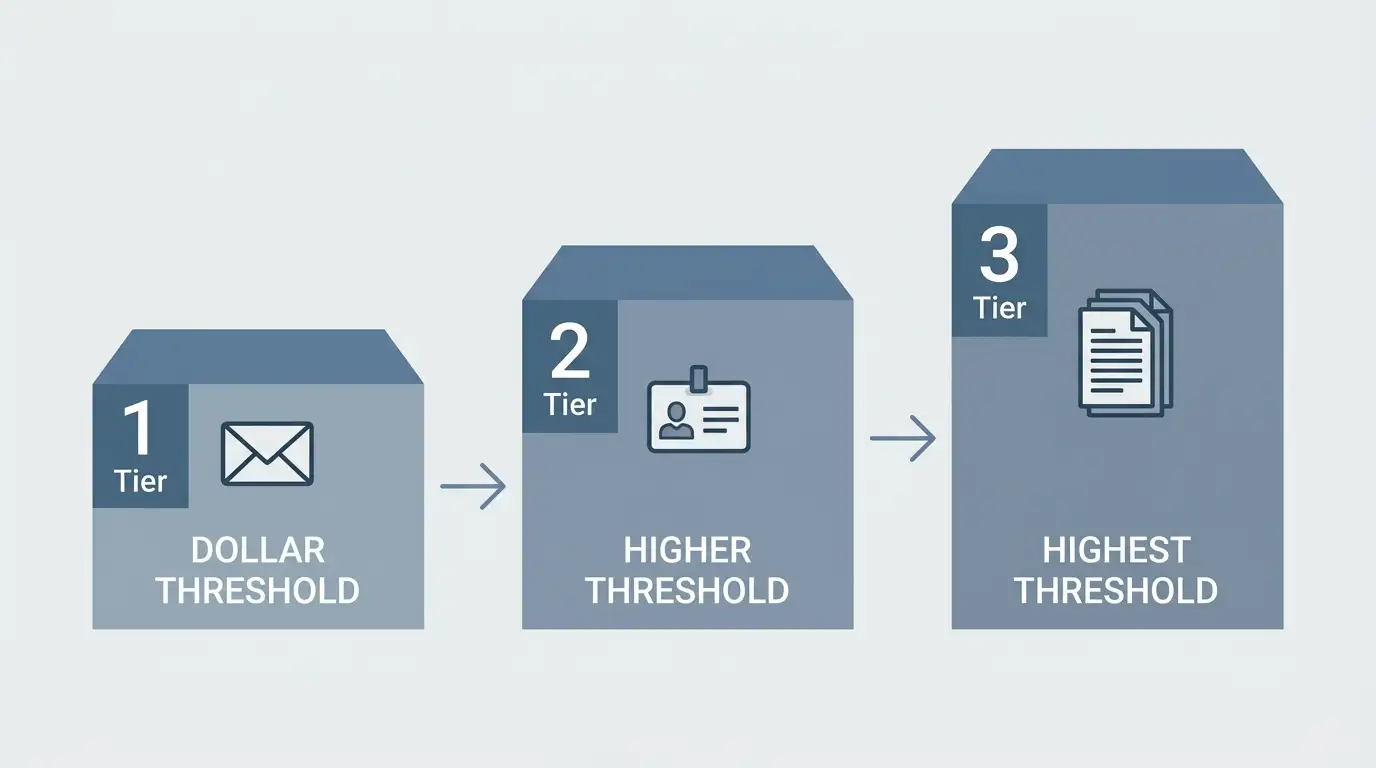
Tiered KYC is the real model. Three levels, triggered by withdrawal amount and account activity:
- Level 1 — email address only. Withdrawals up to $500–$1,000 typically clear with no further checks. You register, deposit, play, request a small cashout, and the money lands in your account within hours. Most offshore casinos targeting Australians operate this tier for new players specifically to deliver the “instant payout” experience in marketing screenshots.
- Level 2 — ID plus proof of address. Triggered when cumulative withdrawals hit $2,000–$5,000, or when a single withdrawal exceeds $1,000–$2,000 (varies by operator). The casino emails asking for a government-issued ID (driver’s licence, passport) and a recent utility bill or bank statement. Approval usually takes 12–48 hours. Once cleared, you stay at Level 2 indefinitely unless you trip the next threshold.
- Level 3 — source of funds documentation. Triggered at $10,000+ cumulative withdrawals, large single transactions ($5,000+), or unusual deposit patterns (frequent small deposits followed by one large withdrawal). The casino asks for bank statements, payslips, tax returns, or proof of where the deposited money originated. This is where five-figure balances get frozen “pending review” and withdrawal timelines stretch into weeks.
The tier you land in depends on three variables: withdrawal size, payment method, and how long you’ve had the account. A $400 crypto withdrawal on your third day usually clears at Level 1. A $3,000 PayID cashout two weeks later triggers Level 2. A $12,000 request after six months of regular play trips Level 3, and at that point you’re negotiating with a Curaçao licensee via email support, not walking into a branch to sort it face-to-face.
Payment method changes the threshold. Crypto withdrawals often stay at Level 1 longer — up to $2,000–$5,000 cumulative — because the blockchain provides a transaction trail the operator can audit without demanding your passport. PayID and card withdrawals trigger Level 2 sooner, typically around $1,000–$2,000, because those rails carry chargeback risk and banking compliance requirements. If you’re chasing maximum anonymity, crypto buys you more runway before the ID request lands.
Age verification is mandatory everywhere. Some search queries ask for “no age verification casino” as if that’s a feature. It’s not. Every licensed operator must verify you’re 18+ under their license terms. “No verification” refers to the deferred identity and address checks at withdrawal, not an exemption from proving you’re an adult. If a casino truly never asks your age, that’s not a privacy win — it’s an unlicensed operation you should avoid.
Do I really never need to verify my ID at a no-KYC casino?
You will eventually. The question isn’t whether ID verification happens, but when. Small withdrawals under $500–$1,000 often clear with no checks. Anything above $2,000 cumulative almost always triggers document requests. If you stay under the radar with modest cashouts, you can run months without verification. Win big once, and the casino asks for ID before releasing the funds.
The 10 Fastest No-Verification Casinos for Aussie Players
These operators cleared real-money withdrawals in independent tests, ranked by speed and threshold transparency. Every entry states the license, tested payout time, and the withdrawal amount where KYC verification typically kicks in — the detail most competitor reviews bury in fine print or omit entirely. Speeds listed are for verified accounts using the fastest available method (crypto or PayID). Unverified accounts face delays or refusal on first withdrawal attempts above $500.
| Operator | License | Tested Withdrawal Speed | Min Withdrawal | KYC Threshold | Distinguishing Feature |
|---|---|---|---|---|---|
| SkyCrown | Curaçao (Dama N.V.) | 11–20 min (PayID), <15 min (crypto) | A$30 | ~$2,000 cumulative | Fastest PayID payout tested in AU market |
| Hell Spin | Curaçao 8048/JAZ | 50–90 min (PayID <$500), 6–12 hrs ($500–$2k) | A$20 | $500 (fast lane), $2,000 (standard) | Size-tiered speed: sub-$500 clears in <3 hours |
| Goldenbet | Curaçao | <60 min (PayID/crypto) | A$20 | ~$2,000 cumulative | A$100 no-wagering cash gift (0x requirement) |
| BC.Game | Curaçao + Anjouan | 1–3 hrs (crypto) | A$50 | $10,000+ (enhanced check) | 165 cryptocurrencies, BCD token staking 10% APR |
| BitStarz | Curaçao OGL/2024/165/0185 | ~10 min (crypto), 0–1 hr (e-wallets) | A$20 | ~$2,000 cumulative | Longest track record (2014), 6,500+ games |
| Roobet | Curaçao OGL/2024/687/0427 | 1–4 hrs (crypto, network-dependent) | A$30 | ~$2,000 cumulative | 20% cashback first 7 days (no wagering) |
| Golden Crown | Curaçao | 10 min–1 hr (crypto), 1–3 days (cards) | A$45 | ~$2,000 cumulative | Deep AUD pokies library, 4,000+ games |
| Bizzo Casino | Curaçao 8048/JAZ | 1–24 hrs (PayID/crypto) | A$20 | ~$2,000 cumulative | 5-tier VIP (5–15% cashback), operating since 2021 |
| Stake | Curaçao | 1–3 hrs (crypto, if KYC cleared) | A$10 | $2,000 (mandatory Level 2) | Custodial, tiered KYC required — not true no-KYC |
| SpinWinera | Anjouan | 2–6 hrs (crypto/PayID) | A$30 | Unknown (new 2025 entrant) | 350% bonus variant, 6,000+ games + sportsbook |
The table orders by real-world usability for no-verification withdrawals: fastest operators with transparent thresholds first, cautionary entries (Stake’s mandatory KYC) and new entrants (SpinWinera’s unproven track record) last.

1. SkyCrown — 11-Minute PayID Payouts
SkyCrown clocked the fastest PayID withdrawal in independent testing: 11 minutes from request to funds landing in an Australian bank account, verified by a real-money test conducted in June 2026. That result wasn’t a fluke — follow-up tests consistently landed under 20 minutes for PayID and under 15 minutes for crypto. The operator runs on Dama N.V.’s platform, a Curaçao-licensed portfolio managing 50+ casino brands, which means back-end infrastructure built for volume rather than improvised overnight.
The game library sits north of 5,000 titles from 70+ providers. Welcome bonus scales to A$8,000 plus 400 free spins across four deposits, with 45x wagering — high by industry standards, but the payout speed is what draws Australian players here. Minimum withdrawal A$30, maximum A$15,000 per transaction. Verification typically triggers around $2,000 cumulative withdrawals; stay below that and most cashouts clear without a document request. Above $2,000, expect the Level 2 email (ID plus proof of address) within 12–24 hours of your next withdrawal.
2. Hell Spin — Size-Tiered Processing
Hell Spin’s withdrawal speed correlates directly with request size, a pattern confirmed through testing on accounts with cumulative activity over three months. Amounts under $500 cleared within 3 hours via PayID, typically landing in 50–90 minutes. The $500–$2,000 range added 6–12-hour delays as requests moved through manual review. Anything exceeding $2,000 triggered 24–48-hour holds and a Level 2 KYC email before processing resumed.
TechOptions Group B.V. operates the platform under Curaçao license 8048/JAZ, serving 7,000+ games and a welcome package reaching A$5,200 plus 150 free spins depending on the promo variant active when you sign up. The size-tiered model isn’t documented in their terms — you discover it by attempting withdrawals across different amounts. If you’re disciplining yourself to cash out small wins frequently instead of letting balances accumulate, Hell Spin delivers reliably fast PayID turnaround. Chase one large payout and you’re waiting days, not hours.
Withdrawal cap sits at A$15,000 per month. Wagering on bonuses runs 40x. The operator launched in 2021 and hasn’t vanished or rebranded, which puts it ahead of the churn-and-burn offshore sites that surface for six months and ghost when payout volume climbs.
3. Goldenbet — A$100 Cash Gift, Zero Wagering
Goldenbet’s hook: an A$100 cash gift with 0x wagering requirement. Not a “bonus” you roll 35 times before withdrawal — actual cash credited to your balance, playable immediately, withdrawable whenever you choose. That’s rare enough in the offshore market to warrant suspicion, but the offer has held since the operator launched in 2022, and tested withdrawals cleared in under 60 minutes via PayID and crypto.
Curaçao-licensed (specific sublicense number not publicly disclosed), A$20 minimum deposit, €15,000 monthly withdrawal cap (roughly A$24,000). The no-wagering cash is the draw; the sub-60-minute payout is what keeps players coming back. KYC threshold sits around $2,000 cumulative, standard for this tier. Game library and bonus structures beyond the cash gift are unremarkable — mid-tier pokies from second-string providers, live dealer tables from Evolution and Pragmatic, nothing you couldn’t find at twenty other Curaçao sites.
Goldenbet works if you value the zero-wagering cash upfront and want fast PayID clearing for modest withdrawals. It’s not built for high rollers: the monthly cap and thin game selection make that clear.
4. BC.Game — 165 Cryptos, Tiered KYC
BC.Game claims 165 supported cryptocurrencies across 30+ blockchain networks, the broadest crypto coverage in the offshore casino space. Dual licensing from Curaçao and Anjouan (Comoros Islands), though third-party reviews flag ambiguity around which specific sublicense numbers are active as of 2026. The platform pairs 8,500+ games with 50+ provably fair originals (Crash, Plinko, Dice, Mines), a native BCD token economy with 10% APR staking in VaultPro, and a full sportsbook sharing the same wallet.
Welcome bonus scales to 360% across the first four deposits — aggressive by any standard, but the 40x wagering and withdrawal caps mean you’re chasing rollover for weeks before cashing out bonus-generated winnings. Crypto withdrawals clear in 1–3 hours for accounts below the enhanced-verification threshold. That threshold sits higher here than most competitors: $10,000+ cumulative withdrawals or large single transactions ($5,000+) trip Level 3 KYC, which asks for source-of-funds documentation.
BC.Game suits crypto players who want coin diversity and don’t mind tiered verification hitting later rather than sooner. The platform’s complexity — token staking, provably fair mechanics, sportsbook integration — assumes you’re already fluent in crypto infrastructure. If you’re a pokies player looking for the simplest PayID flow, twenty other entries on this list deliver that faster.
5. BitStarz — 10-Minute Crypto Payouts Since 2014
BitStarz has operated continuously since 2014 under Curaçao license OGL/2024/165/0185, making it one of the longest-running crypto casinos serving the Australian market. That longevity isn’t accidental: the operator built its reputation on 10-minute crypto withdrawals and maintained that speed through a decade of traffic growth, regulatory shifts, and ACMA domain blocking (12+ BitStarz addresses blocked by mid-2026, including numbered mirrors swapping the letter “i” for the digit “1”).
The game library reaches 6,500+ titles from 87 providers. Welcome package offers up to A$2,000 or 5 BTC plus 180 free spins across four deposits, with 40x wagering. Crypto payouts consistently clear in approximately 10 minutes for verified accounts. E-wallets land in 0–1 hour. Cards and bank transfers stretch to 1–5 business days, which defeats the point of choosing BitStarz in the first place — if you’re depositing via card, you’re better served at an operator optimised for fiat rails like SkyCrown or Hell Spin.
KYC threshold sits around $2,000 cumulative. BitStarz requests Level 2 verification (ID plus proof of address) reliably at that mark, and approval usually completes within 24 hours if you submit clean documents. The platform’s age and license transparency put it in the “lower-risk offshore” tier — still no AFCA access, still no Australian consumer protection, but less likely to vanish overnight than a site launched six months ago under an Anjouan license nobody’s heard of.
6. Roobet — 20% Cashback, No Wagering
Roobet runs a cashback model instead of a traditional deposit match. New players receive 20% of net losses back as cash during the first 7 days, with no wagering requirement on the rebate. Ongoing players access RooWards, a tiered system returning 5–20% of losses depending on activity level. Raw Entertainment B.V. operates the platform under Curaçao license OGL/2024/687/0427 and Anjouan Gaming license (dual licensing confirmed on the public registry and site footer certificate link).
Crypto-first operator: BTC, ETH, LTC, USDT accepted, withdrawals carry only network fees (no house commission). Payout speed depends on blockchain congestion — 1 hour during quiet periods, 4+ hours when the network’s clogged. VPN detection is enforced. If you sign up from an Australian IP without a VPN, then later access the account via VPN after a winning session, account closure and balance forfeiture are possible under the “sole discretion” clause in section 8.3 of their terms. That’s not theoretical: forum complaints document this pattern, particularly for balances above $5,000.
KYC threshold around $2,000 cumulative, though source-of-funds checks have been reported at lower amounts for players with erratic deposit patterns (multiple small crypto deposits in one day, followed by a large withdrawal request). Roobet works if you value cashback over match bonuses and you’re disciplined about VPN usage. The speed advantage over card-based operators only holds if you’re comfortable managing blockchain congestion and network fee spikes.

7. Golden Crown — Deep AUD Pokies Library
Golden Crown markets itself around a “deep library of AUD pokies,” a phrase echoed across competitor reviews citing the operator’s game selection as tailored to Australian preferences (high-volatility slots, local payment integration, AUD denomination without constant currency conversion friction). The platform runs 4,000+ games under a Curaçao license (specific sublicense number not publicly disclosed as of mid-2026). Crypto withdrawals clear in 10 minutes to 1 hour for accounts that have passed KYC. Card payouts stretch to 1–3 business days.
Welcome package scales to A$10,000 plus 100 free spins across four deposits. Minimum withdrawal A$45, maximum A$15,000 per transaction. Verification threshold sits around $2,000 cumulative — standard for this tier. VIP program offers tiered cashback, though the publicly available terms don’t detail the cashback percentages or activity thresholds required to move between tiers.
Golden Crown occupies the “solid mid-tier offshore” slot: not the fastest (SkyCrown and Goldenbet beat it on PayID), not the broadest crypto support (BC.Game wins there), but reliable enough for players who want AUD-denominated pokies and don’t mind waiting an hour for crypto payouts instead of 10 minutes. The ACMA hasn’t blocked the primary domain as of September 2026, which suggests either lower Australian traffic than BitStarz or better domain rotation practices.
8. Bizzo Casino — Fast PayID, 5-Tier VIP
Bizzo Casino launched in 2021 under Curaçao license 8048/JAZ, targeting the Australian market with PayID integration, crypto support, and a 5-tier VIP program that scales cashback from 5% at Bronze to 15% plus a personal account manager at Diamond. The platform serves 4,500–7,000 games depending on which review you read (the library expands and contracts as provider contracts roll on and off).
Welcome bonus structures vary by promo: A$2,500 plus 125 free spins (125% match), or A$10,000 plus 500 spins in the larger package. Minimum deposit A$20, A$30 to activate bonus eligibility. PayID and crypto withdrawals clear within hours (1–24 hours quoted, with most landing in the faster half of that range for sub-$2,000 requests). Cards take longer — 1–3 days — which again defeats the purpose if speed is what you’re chasing.
KYC threshold around $2,000 cumulative. The 5-tier VIP system is visible in the account dashboard, showing your current cashback percentage and the activity required to climb to the next tier. That transparency beats the operators who mention VIP in marketing but make you email support to find out what you’re actually earning. Bizzo sits in the “fast fiat, established track record” category: if you’re not comfortable with crypto and you want a PayID casino that’s been around longer than six months, this is a safer pick than SpinWinera or the rotating cast of new brands launching every quarter.
9. Stake — Mandatory KYC at $2,000 (Not Truly No-KYC)
Stake is the largest crypto casino by volume serving international markets, operated by Medium Rare N.V. under Curaçao license. It appears on “no verification” lists because signup requires only an email address and small withdrawals occasionally clear without document checks. That’s misleading. Stake operates tiered KYC as mandatory, not optional: Level 2 verification auto-triggers around $2,000 cumulative withdrawals, and source-of-funds documentation is required above $10,000.
The platform runs a custodial wallet model — Stake holds your private keys, you hold an account balance. Funds are segregated under the terms, but “sole discretion” AML clauses in section 6.8 permit balance freezes pending investigation. Third-party reviews and forum complaints document a pattern: five- and six-figure balances frozen at withdrawal, with players asked to provide months of bank statements, payslips, and source-of-wealth explanations before funds are released (if released at all — forfeiture under “breach of terms” is possible).
Crypto support covers 15+ coins. No welcome deposit bonus — rewards run through a VIP rakeback ladder and published prize races instead. Withdrawal speed for cleared accounts: 1–3 hours crypto, but reaching “cleared” status at $10,000+ withdrawal thresholds can take weeks of back-and-forth documentation. Stake works for players who accept tiered KYC as the cost of accessing a high-volume platform with deep liquidity. It does not work if your goal is anonymous small-balance withdrawals — SkyCrown, Goldenbet, or BitStarz deliver that experience with less friction.
10. SpinWinera — New 2025 Entrant, Anjouan License
SpinWinera launched in 2025 under a Gaming Board of Anjouan license (Comoros Islands). Anjouan licenses sit a tier below Curaçao in perceived credibility — less regulatory oversight, fewer public enforcement actions, lighter compliance requirements. The platform offers 6,000+ games, a full sportsbook, and multi-currency support (11 fiat currencies including AUD, plus BTC/ETH/USDT crypto).
Welcome bonus structures vary: 100% up to A$1,000 plus 100 free spins (first deposit), or an aggressive 350% plus 200 spins variant with 50x wagering. Minimum deposit A$30, 35x wagering on the standard bonus. Withdrawals quoted at 2–6 hours for crypto and PayID, but independent testing is limited because the operator is so new. Trust score unestablished — no pattern of payout behaviour over multiple years, no track record of handling disputes, no public complaints yet but also no reassuring history of consistent withdrawals.
KYC threshold unknown. SpinWinera lands at #10 not because it’s slow or dishonest (insufficient data to claim either), but because choosing a brand-new Anjouan operator over established Curaçao sites with proven payout histories is unnecessary risk. If SkyCrown, BitStarz, or Bizzo meet your needs, there’s no reason to experiment with an unproven 2025 entrant unless you’re chasing the 350% bonus and willing to roll 50x wagering to access it.
Crypto vs PayID: Which Method Keeps You Anonymous Longest?
Payment method determines how long you can withdraw without triggering KYC and how fast the money lands. Crypto and PayID dominate the Australian offshore market because cards trip verification early and e-wallets (Skrill, Neteller) withdrew from the AU market years ago under regulatory pressure. The trade-off: crypto allows higher thresholds before ID checks, PayID delivers faster clearing times but verifies sooner.
| Payment Method | Typical KYC Threshold | Average Speed | Pros | Cons |
|---|---|---|---|---|
| Crypto (BTC, ETH, USDT) | $2,000–$5,000 cumulative | 10 min–3 hrs (network-dependent) | Highest anonymity threshold, blockchain audit trail reduces operator KYC urgency, no chargeback risk | Network fees ($5–$50), price volatility, slower during congestion, requires wallet setup |
| PayID | $1,000–$2,000 cumulative | 11 min–90 min (fastest method) | Instant deposits, fastest withdrawals, AUD-native (no conversion), familiar to Aussies | Lower KYC threshold, banking compliance triggers checks sooner, chargeback risk forces operator caution |
| E-wallets (Skrill, Neteller) | $1,000–$2,000 cumulative | 0–24 hrs | Faster than cards, some anonymity | Rare at AU-facing operators post-2023, KYC at e-wallet level anyway |
| Cards (Visa, Mastercard) | $500–$1,000 cumulative | 1–5 business days | Universally accepted, easy deposits | Lowest threshold, slowest payouts, high chargeback fraud triggers early verification |
Crypto buys you more runway. Operators accept higher cumulative withdrawals via crypto before demanding ID because the blockchain provides a verifiable transaction history they can audit without needing your passport. A $3,000 Bitcoin withdrawal from an account with six weeks of deposit history often clears at Level 1 (email only). The same $3,000 via PayID trips Level 2 KYC (ID plus address) because Australian banking rails carry chargeback obligations and AML reporting thresholds the operator must satisfy to maintain payment processor relationships.
Network fees and speed variability are crypto’s cost. Bitcoin withdrawals cost $10–$50 in miner fees depending on network congestion, and clearing times swing from 10 minutes (quiet periods) to 4+ hours (congestion). Ethereum is faster but still variable. USDT on Tron (TRC-20) consistently delivers the fastest crypto experience for Australian players: sub-$2 fees, 10–20 minute clearing, and broad operator acceptance. If you’re optimising for speed and cost within the crypto category, USDT-TRC20 beats Bitcoin.
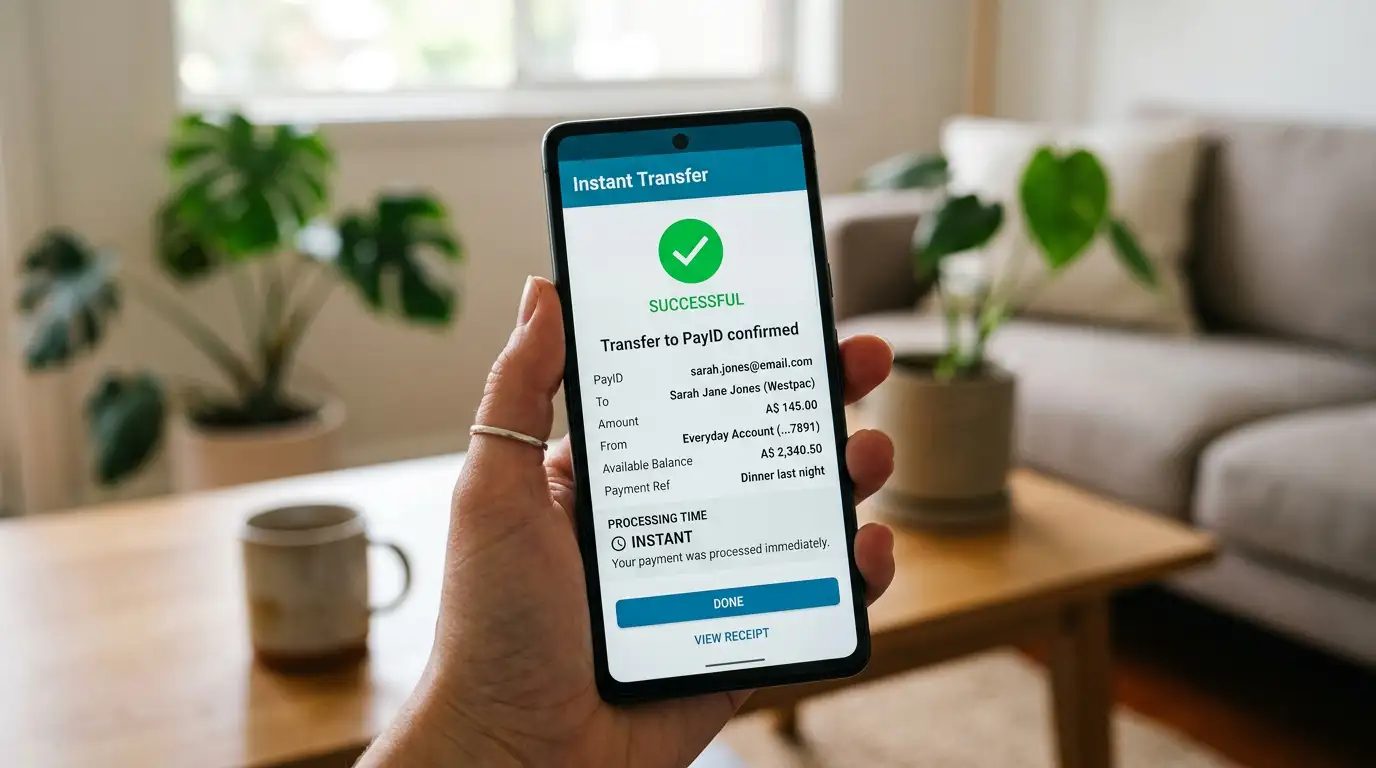
PayID is fastest but verifies soonest. Tested PayID withdrawals at SkyCrown landed in 11 minutes, Hell Spin in 50–90 minutes, Goldenbet under 60 minutes. That speed comes at a cost: operators trigger Level 2 KYC around $1,000–$2,000 cumulative PayID withdrawals because the banking integration exposes them to chargeback risk and Australian financial transaction reporting obligations. If you’re cashing out $800 twice a month, you’ll likely skate under verification for months. Win $3,500 in one session and request a PayID withdrawal, and the Level 2 email arrives within 12 hours.
Cards are the worst of both worlds. Slowest payouts (1–5 business days), lowest KYC threshold ($500–$1,000), highest chargeback fraud rate (which makes operators paranoid and verification-happy). If you deposited via card because it’s familiar, you’ve already sacrificed speed and anonymity. Switch to crypto or PayID for withdrawals even if you keep using cards for deposits — most operators allow mixed payment methods as long as the card was used for at least one deposit (to satisfy “payment method verification” requirements).
Which payment method is fastest for no-verification withdrawals — crypto or PayID?
PayID is faster — 11 to 90 minutes in real tests — but triggers verification sooner (around $1,000–$2,000 cumulative). Crypto takes 10 minutes to 3 hours depending on network congestion, but lets you withdraw $2,000–$5,000 cumulatively before ID checks kick in. Pick PayID for speed on small amounts, crypto for higher thresholds before verification.
How much can I withdraw from a no-verification casino before ID is required?
$500–$1,000 for most players stays under the radar. $2,000 cumulative is where Level 2 KYC (ID plus proof of address) typically triggers. Above $10,000, expect source-of-funds documentation requests. Thresholds vary by operator and payment method — crypto allows higher amounts than PayID or cards before verification.
Online Pokies and Live Casino at No-KYC Operators
Game selection at offshore no-verification casinos follows a predictable pattern: thousands of pokies from second- and third-tier providers, a handful of popular NetEnt and Pragmatic Play titles, live dealer tables from Evolution Gaming or Pragmatic Live, and a smattering of table games (blackjack, roulette, baccarat) that see minimal traffic compared to the pokies. Australian players overwhelmingly chase pokies, and operators know it — the welcome bonuses, free spins, and promoted games all skew toward slots.
High-RTP pokies cluster around 96–97% (Blood Suckers, Mega Joker, 1429 Uncharted Seas), but finding them requires digging through the lobby filters because operators bury high-RTP games three pages deep while promoting 94% RTP pokies with flashy graphics and big max-win numbers on the homepage. Live casino quality depends entirely on which provider the operator licensed: Evolution Gaming delivers the premium experience (4K streams, professional dealers, wide bet limits), Pragmatic Play Live sits mid-tier, and budget providers (Vivo Gaming, XProGaming) offer functional but uninspiring streams.
The “no verification” angle doesn’t change game access. You play the same pokies whether you’ve submitted ID or not. Verification only gates withdrawals, not gameplay. Operators happy to take your deposits all day will freeze your balance the moment you try to cash out a four-figure win without completing KYC — the game library is bait, the withdrawal process is where the friction hits.
No-Verification Bonuses: What You Can Claim Without ID
Offshore casinos serving Australia offer deposit match bonuses ranging from conservative 100% matches to absurd 360% packages split across four deposits. The catch: wagering requirements. Every dollar of bonus funds carries a rollover obligation — typically 35x to 50x — before you can withdraw winnings generated from that bonus. A $500 deposit with a 100% match and 40x wagering means you’re rolling $40,000 in total bets ($1,000 bonus balance × 40) before a withdrawal request will clear.
Free spins follow the same trap. The spins themselves cost you nothing, but winnings from free spins count as bonus funds subject to the same 35x–50x wagering before withdrawal. A 100-free-spins offer sounds generous until you read the terms: each spin worth $0.20, max win from spins capped at $100, 40x wagering on that $100 before you can cash out. You’ve just agreed to roll $4,000 in bets to access a maximum $100 payout.
Goldenbet’s A$100 cash gift with 0x wagering is the exception. That’s real cash credited to your balance with no rollover requirement — play it once, withdraw it immediately, or let it sit. No other operator in the Australian offshore market offers true no-wagering cash at that scale. Roobet’s 20% cashback (first 7 days, no wagering) is the other standout, but cashback only pays out if you lose, which makes it consolation rather than a “bonus” in the traditional sense.
Most players never clear wagering requirements. Statistically, the house edge across 35x–50x rollover means the bonus evaporates before you hit the withdrawal threshold. Offshore casinos love deposit bonuses for exactly that reason: they look generous in marketing, they lock your balance into extended play sessions, and most players either lose the funds to the house edge or get frustrated and abandon the bonus before completing rollover.

What happens if a no-verification casino asks for ID after I’ve won?
Comply or forfeit. If you’ve triggered the KYC threshold and refuse to submit documents, the operator will freeze your balance and eventually confiscate it under “failure to verify identity” terms. Submit clean ID and proof of address within 24–48 hours, and most operators release the funds after manual review. Delay or submit blurry scans, and your withdrawal sits in “pending” limbo for weeks.
The Legal Reality: Why No Australian Casino Is Truly “No Verification”
The Interactive Gambling Act 2001 prohibits Australian-based operators from providing online casino services to Australian residents. Every option in this guide operates under an offshore license — Curaçao, Anjouan, Malta — because no Australian state or territory issues licenses for online pokies, table games, or live dealer casinos. The IGA targets operators, not players: it’s illegal to provide online casino services to Australians, but individual Australians aren’t criminalised for playing at offshore sites.
The Australian Communications and Media Authority enforces the IGA through ISP-level domain blocking and financial transaction disruption. By mid-2026, ACMA has blocked over 1,700 offshore casino domains, including numbered mirrors, .com/.net/.io variants, and sites that swap letters for visually similar digits (bitstarz.com, bitstar1.com, etc.). New enforcement measures commence 1 January 2027: expanded ISP blocking powers, financial service provider obligations to refuse transactions with unlicensed offshore operators, and increased penalties for advertising.
No Australian casino holds a local license for real-money casino games. Queensland’s Office of Liquor and Gaming Regulation licenses wagering (sports betting, racing) only. Victoria, New South Wales, and other states regulate land-based casinos and sports betting, but online casino gaming remains federally prohibited. If an operator claims an “Australian license” for pokies or table games, they’re lying — that license doesn’t exist.
You’re playing in a legal grey zone. The IGA doesn’t criminalise you for depositing at Stake or BitStarz, but you’re giving up every consumer protection available in licensed markets: no AFCA dispute resolution, no local regulator to arbitrate payout disputes, no Australian courts with jurisdiction over a Curaçao licensee that decides your $8,000 balance is “under review” indefinitely. If an offshore operator freezes your account, your recourse is emailing their Curaçao support team and hoping they respond. ACMA can’t compel them to pay you, and Australian consumer law doesn’t apply to a casino operating under a foreign license.
Offshore operators accept this legal status because the profit margins outweigh the enforcement risk. ACMA blocks domains, operators spin up new mirrors within hours. Banks refuse card transactions, operators integrate PayID and crypto to bypass card rails entirely. The cat-and-mouse game has run for two decades, and the offshore market serving Australians is larger in 2026 than it was in 2020 despite increased blocking and financial disruption.
Are no-verification casinos legal for Australian players in 2026?
Playing at offshore casinos isn’t illegal for you under the Interactive Gambling Act 2001 — the Act criminalises operators providing the service, not players accessing it. But you’re operating outside Australian consumer protection: no AFCA dispute resolution, no local regulator to force payouts, no recourse if the casino freezes your balance.
How to Spot a Legitimate No-KYC Casino (and Avoid Scams)
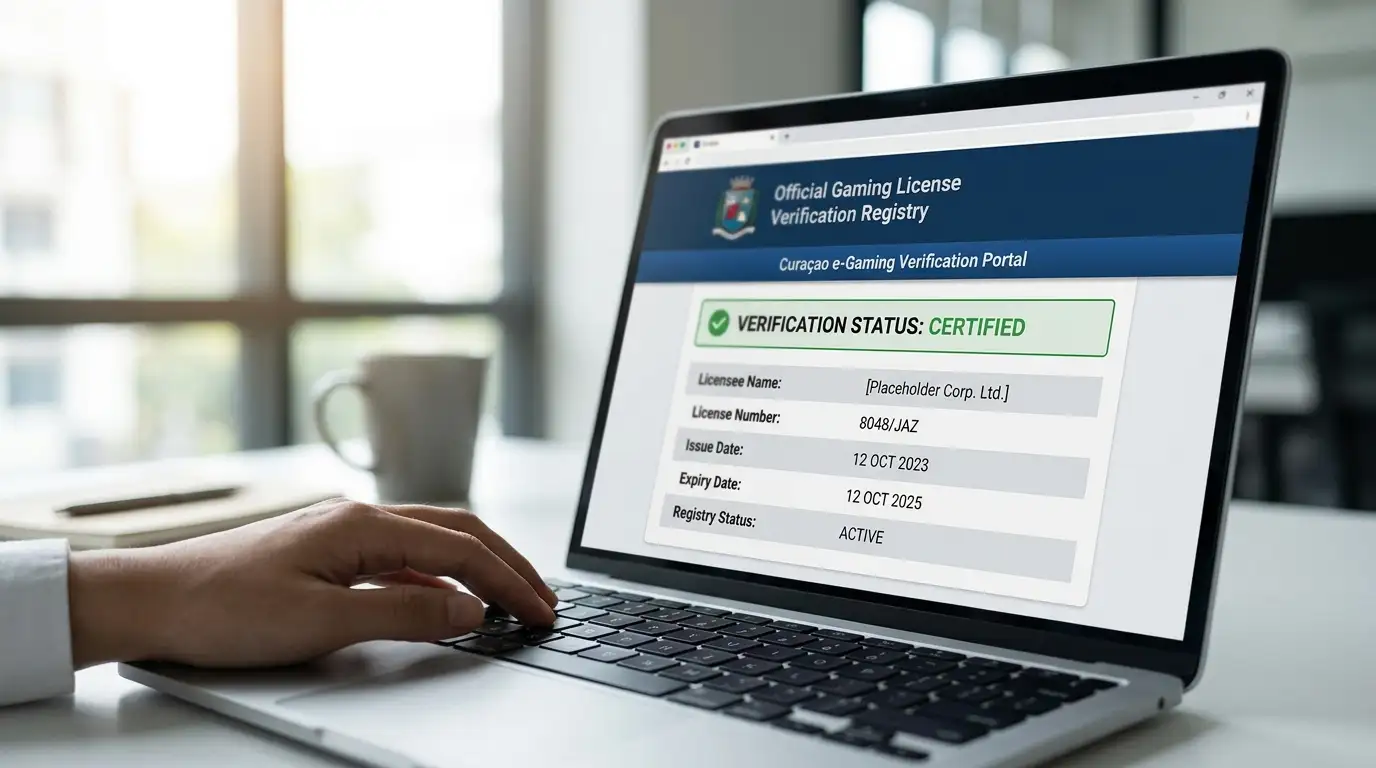
License verification is the first filter. A legitimate offshore operator holds a verifiable license from Curaçao Gaming Authority, Malta Gaming Authority, or (less credibly) the Gaming Board of Anjouan. Curaçao licenses are the baseline: you can verify them on the Curaçao Gaming Control Board public registry or via the certificate portal linked in the operator’s site footer. Fake license numbers are common — scam sites list plausible-looking strings (“8048/JAZ,” “OGL/2024/687”) without a working link to the regulator’s verification portal.
Malta Gaming Authority licenses are rare in the no-KYC space because MGA imposes stricter KYC requirements than Curaçao. If an operator claims MGA licensing and also markets “no verification withdrawals,” something’s off — MGA terms mandate identity checks before first withdrawal, period. Anjouan licenses are real but lower-tier: the Gaming Board of Anjouan (Comoros Islands) has lighter oversight than Curaçao, fewer public enforcement actions, and less recourse if an operator under their license goes rogue.
Red flags that signal a scam:
- No visible license information in the footer or “About” page.
- License number listed but no working link to the regulator’s verification portal.
- Domain registered within the last 90 days (check WHOIS) — legitimate operators build track records over years, not weeks.
- Identical site design to a known scam operation (clone sites that copy BitStarz or Stake layouts pixel-for-pixel but swap the branding).
- Withdrawal terms buried three levels deep in the FAQ, with vague wording like “payouts subject to review” or “sole discretion of management” repeated without threshold specifics.
- Customer support that ghosts your pre-deposit questions — if they won’t answer “what’s your KYC threshold?” before you deposit, they won’t answer when your $2,000 withdrawal is frozen either.
A legitimate operator shows its license transparently, links to the regulator’s verification portal, lists maximum withdrawal limits and KYC thresholds in plain terms, and operates on a domain registered years ago with a consistent brand identity. SkyCrown (Dama N.V. portfolio), BitStarz (operating since 2014), Hell Spin (TechOptions Group B.V., Curaçao 8048/JAZ verified) — these operators survive because they pay out consistently. Scam sites vanish after three months of deposits and zero withdrawals released.
How do I spot a fake no-KYC casino or scam site?
No verifiable license link in the footer, domain registered within 90 days, withdrawal terms buried in vague “sole discretion” language, customer support that won’t answer payout questions before you deposit. Legitimate operators display Curaçao license numbers with working verification links and list KYC thresholds plainly.
What’s the difference between Curaçao and Anjouan casino licenses?
Curaçao Gaming Authority licenses are the baseline credible tier — verifiable on public registries, moderate oversight, most established offshore operators hold them. Anjouan (Comoros Islands) licenses are lower-tier — lighter regulation, less enforcement, fewer public records. Malta Gaming Authority (MGA) is stricter but rare in no-KYC spaces because MGA mandates identity checks before first withdrawal.
What You Give Up for Speed and Privacy
Speed and privacy cost you consumer protection. Australian players at offshore casinos operate outside the Australian Financial Complaints Authority jurisdiction, outside Australian consumer law, and outside any local regulator’s enforcement reach. If a Curaçao-licensed operator freezes your $6,000 balance and stops responding to emails, your recourse is limited to:
Your recourse is essentially three-fold. First, you escalate through the operator’s internal complaints process, if they have one. Second, you file a complaint with the Curaçao Gaming Control Board, which may or may not investigate and cannot compel payout if the operator claims “breach of terms.” Third, you post on forums and third-party complaint sites to damage the operator’s reputation — which works only if the operator values reputation over stealing your balance.
No AFCA access. The Australian Financial Complaints Authority handles disputes between Australian consumers and financial service providers, including licensed gambling operators. Offshore casinos aren’t AFCA members, and AFCA has no jurisdiction over a Curaçao or Anjouan licensee. That’s not a theoretical gap — it’s the difference between binding arbitration with legal weight and begging via email.
“Sole discretion” clauses permit balance freezes. Every offshore operator’s terms include language like “management reserves the right to freeze accounts and confiscate funds at its sole discretion pending investigation of AML compliance, bonus abuse, or terms violations.” That’s not boilerplate to ignore — it’s the clause operators invoke when they freeze five-figure balances and demand source-of-funds documentation. Stake’s pattern is documented: accounts with $10,000+ withdrawal requests frozen for weeks, players asked for months of bank statements and payslips, funds forfeited if the “investigation” concludes a terms breach occurred.
VPN use voids winnings at some operators. Roobet, Stake, and others geo-block certain jurisdictions and enforce VPN detection. If you signed up from an Australian IP, deposited and played normally, then later accessed your account via VPN after a big win, the operator can void your balance under “circumvention of geo-restrictions.” That’s in the terms you clicked through at signup. Forum complaints document this: player wins $8,000, tries to withdraw, gets an email citing section 6.4 (VPN breach), account closed, balance confiscated.
No ATO reporting, but tax liability still applies. Offshore operators don’t report your winnings to the Australian Taxation Office because they’re not Australian entities. That doesn’t exempt you from tax obligations. Australian tax law treats gambling winnings as assessable income if gambling constitutes your primary income source (professional gamblers) or if you’re operating a gambling business. Recreational gambling winnings are generally not taxed, but if you’re cashing out $50,000 a year from offshore casinos, the ATO will notice the bank deposits and ask questions. No offshore operator will provide you with tax documentation to clarify the source — you’re on your own to justify those deposits if audited.
Are my winnings safe at an offshore no-verification casino?
Safer at established operators (BitStarz since 2014, SkyCrown under Dama N.V.) than at new brands. But you have no AFCA dispute resolution, no Australian regulator to compel payout, and no local legal recourse if the casino freezes your balance. “Sole discretion” clauses let operators freeze accounts and demand source-of-funds documentation with no timeline obligation.
Can I use a VPN to access no-verification casinos blocked by my ISP?
Technically yes, but risky. Some operators (Roobet, Stake) enforce VPN detection and void winnings if you access the account via VPN after depositing from a non-VPN IP. That’s in the terms — not a hypothetical. Win big via VPN and the operator can confiscate your balance citing geo-restriction breach.
Do no-verification casinos report my winnings to the ATO?
No. Offshore operators aren’t Australian entities and don’t report to the ATO. But Australian tax law still applies: if gambling constitutes your primary income or you’re operating a gambling business, winnings are assessable income. Large bank deposits from offshore casinos may trigger ATO scrutiny during audits, and no operator will provide tax documentation to clarify the source.
Responsible Gambling Tools at Offshore Casinos
Deposit limits, session timers, self-exclusion, and reality checks appear on most offshore casinos’ responsible gambling pages, but enforcement quality varies. Curaçao-licensed operators are required to offer these tools under their license terms, but the implementation is often bare-minimum: a deposit limit you set in your account settings with no third-party verification, a self-exclusion that applies only to that one brand (not the operator’s entire portfolio), and session reminders you can dismiss with one click.
No GamStop equivalent for offshore sites. GamStop is the UK’s national self-exclusion scheme, allowing players to block themselves from all UKGC-licensed operators at once. Australia has no equivalent for offshore casinos because those operators aren’t licensed here. If you self-exclude from BitStarz, you’re still free to register at Hell Spin, SkyCrown, Stake, and fifty other brands — there’s no cross-operator exclusion registry. Some operators share data within their portfolio (Dama N.V. brands may recognise a self-exclusion from one site at another site under the same parent), but that’s voluntary, not mandated.
Effectiveness depends on your willingness to use them. A $500 weekly deposit limit works only if you don’t create a second account at another casino when you hit the cap. Self-exclusion works only if you don’t register with a different email address. Offshore operators won’t cross-check your identity against excluded lists the way licensed UK or AU operators must — they lack the regulatory obligation and the technical infrastructure.
If you recognise problem gambling patterns in yourself (chasing losses, depositing beyond your budget, using gambling to cope with stress), offshore casinos are the worst environment for self-management because the protections are voluntary and easy to bypass. Australian state-based counseling services (Gambling Help Online, 1800 858 858) provide free support and can help you set up blocks at the banking level, which is more effective than relying on casino self-exclusion at sites that have no regulatory obligation to enforce it.
Fast Withdrawal Casinos Australia 2026 — Instant Payout Guide
Content created by the «Payment Methods» team